MyCaminoGuide now supports the Vía de la Plata — the ancient 1,000km Roman road from Seville to Santiago. Plan your Silver Route with AI-powered itineraries.
If you've been poking around MyCaminoGuide lately, you might've noticed something new. We've added full support for the Vía de la Plata — and I couldn't be more excited about it.
For those unfamiliar, the Vía de la Plata is one of the longest and most ancient Camino routes in Spain. Starting in Seville and stretching roughly 1,000 kilometres north to Santiago de Compostela, it follows old Roman trade roads that have been carrying travellers across the Iberian Peninsula for over two thousand years. The name itself — "Plata" — doesn't actually mean "silver" as many assume. It's thought to derive from the Arabic word balat, meaning "paved road." But the Silver Route nickname stuck, and honestly, it's rather fitting for a path this precious.
I haven't walked the Vía de la Plata myself (yet — it's very much on my list), but I've spoken to dozens of pilgrims who have, and the stories are always the same: it's harder than they expected, more beautiful than they imagined, and profoundly quieter than the Frances. That last part is what draws most people to it.
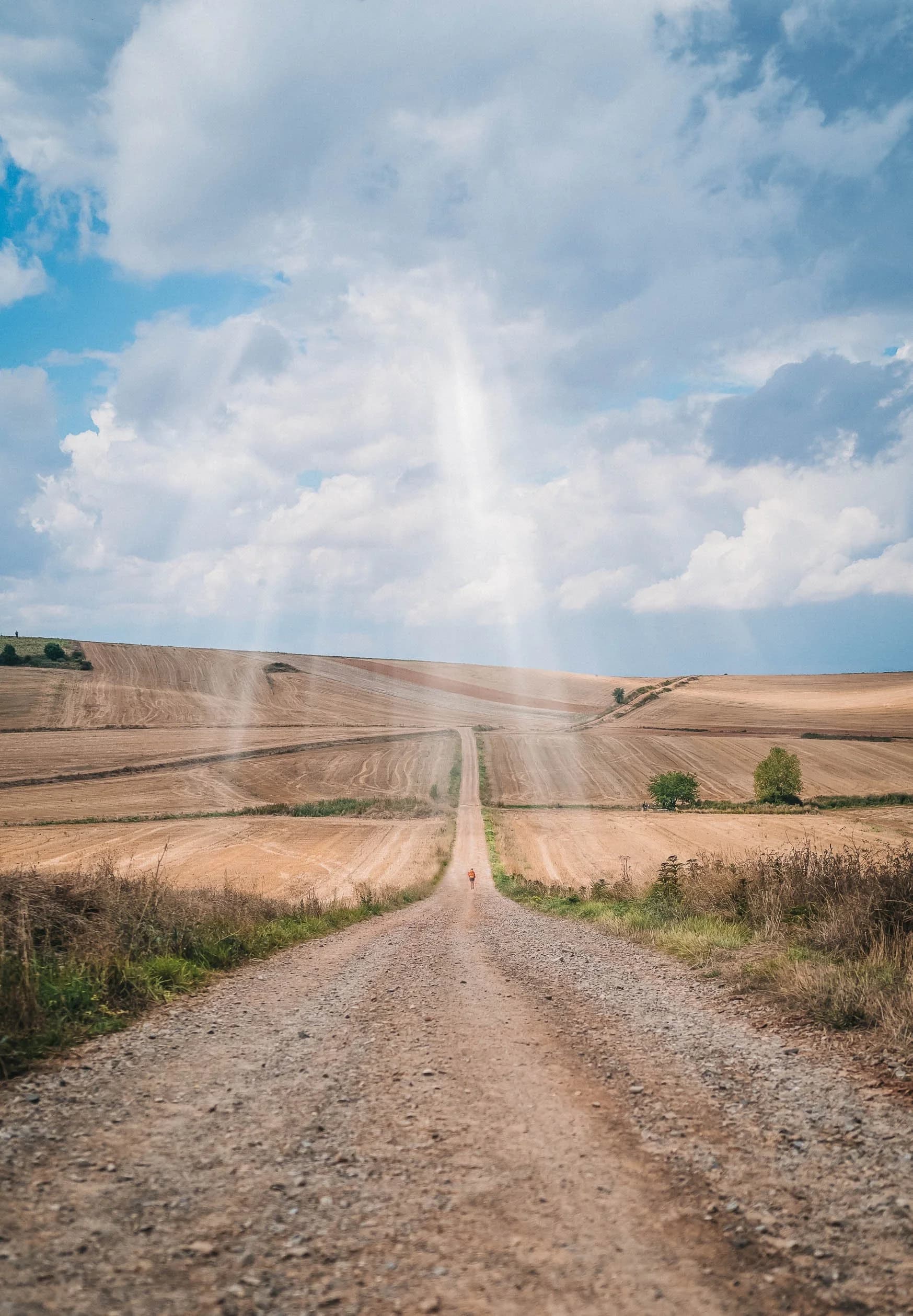
This is a route defined by solitude and vast open spaces. There are stretches of 20-25 kilometres where you won't pass a single town. No bar. No fountain. Just you, the meseta-like plains of Extremadura, and the sound of your own footsteps. It's the kind of walking that forces you to be genuinely self-sufficient — and genuinely present.
The route passes through four distinct regions of Spain, each with its own character:
- Andalusia — You start in Seville, one of Spain's most vibrant cities, and quickly find yourself among rolling olive groves and golden wheat fields. The early stages are flat but exposed, and the Andalusian sun is no joke.
- Extremadura — This is wild, rugged Spain. Roman ruins in Mérida, the medieval old town of Cáceres (a UNESCO World Heritage site), and vast dehesas — those iconic grasslands dotted with holm oaks where Iberian pigs roam. It's stunning, and deeply underrated.
- Castilla y León — The route passes through Salamanca, home to one of Europe's oldest universities, and Zamora, with its remarkable Romanesque churches. The landscape opens up into the broad plains of the meseta.
- Galicia — The final stretch takes you through the lush, green hills of Galicia. After weeks of arid plains and scorching heat, the cool dampness of Galicia feels like a reward in itself.
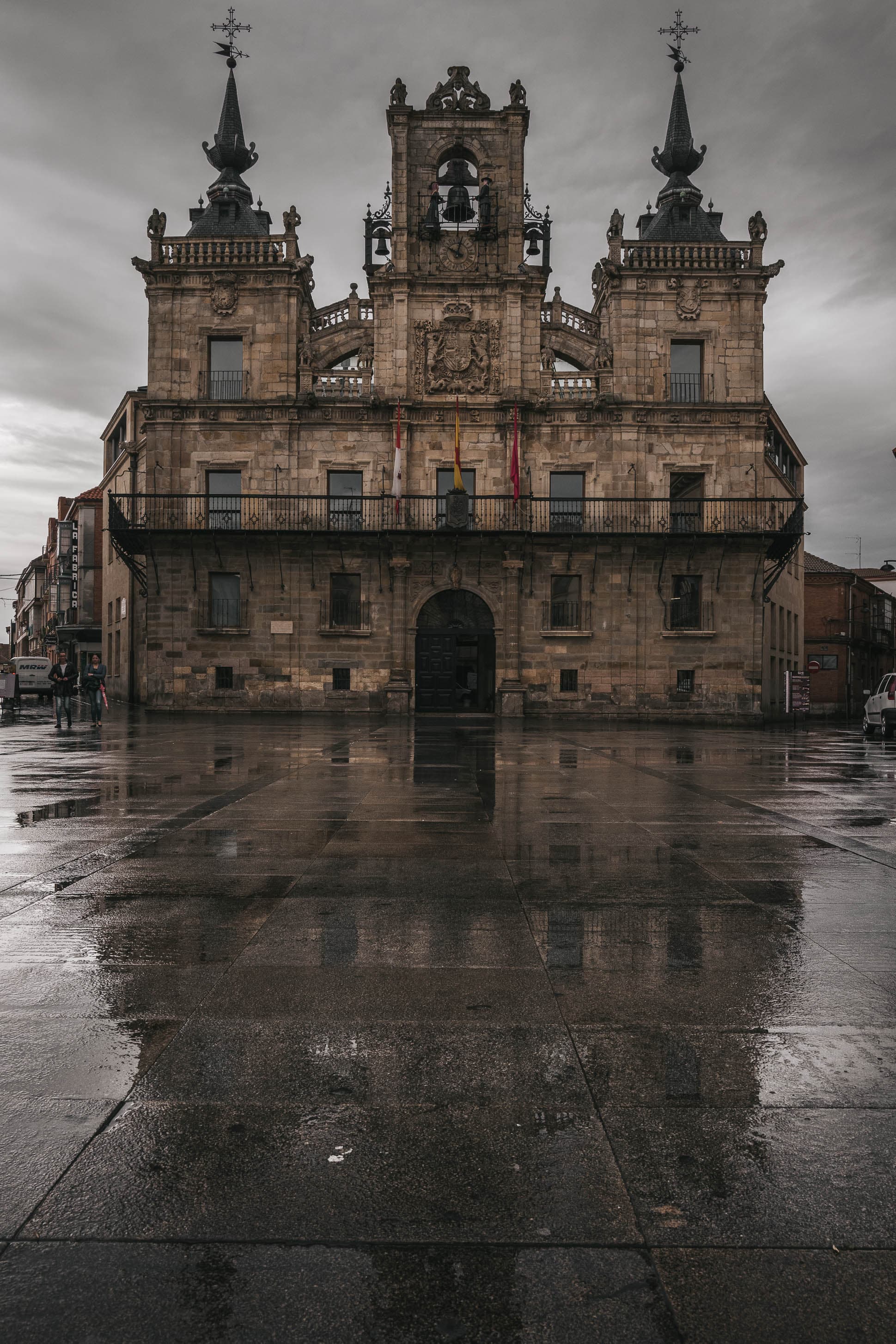
The route also offers a key decision point around Zamora: you can continue northwest on the Camino Sanabrés through Ourense to Santiago, or head northeast to Astorga and join the Camino Frances for the final stretch. Both options are now fully supported in MyCaminoGuide, so you can plan either route with detailed stage information, accommodation recommendations, and difficulty ratings.
The sweet spot is March through May or September through October. Spring is particularly beautiful — wildflowers everywhere, comfortable temperatures, and the landscape at its greenest. Autumn is drier but pleasant, and you'll have the route almost entirely to yourself.
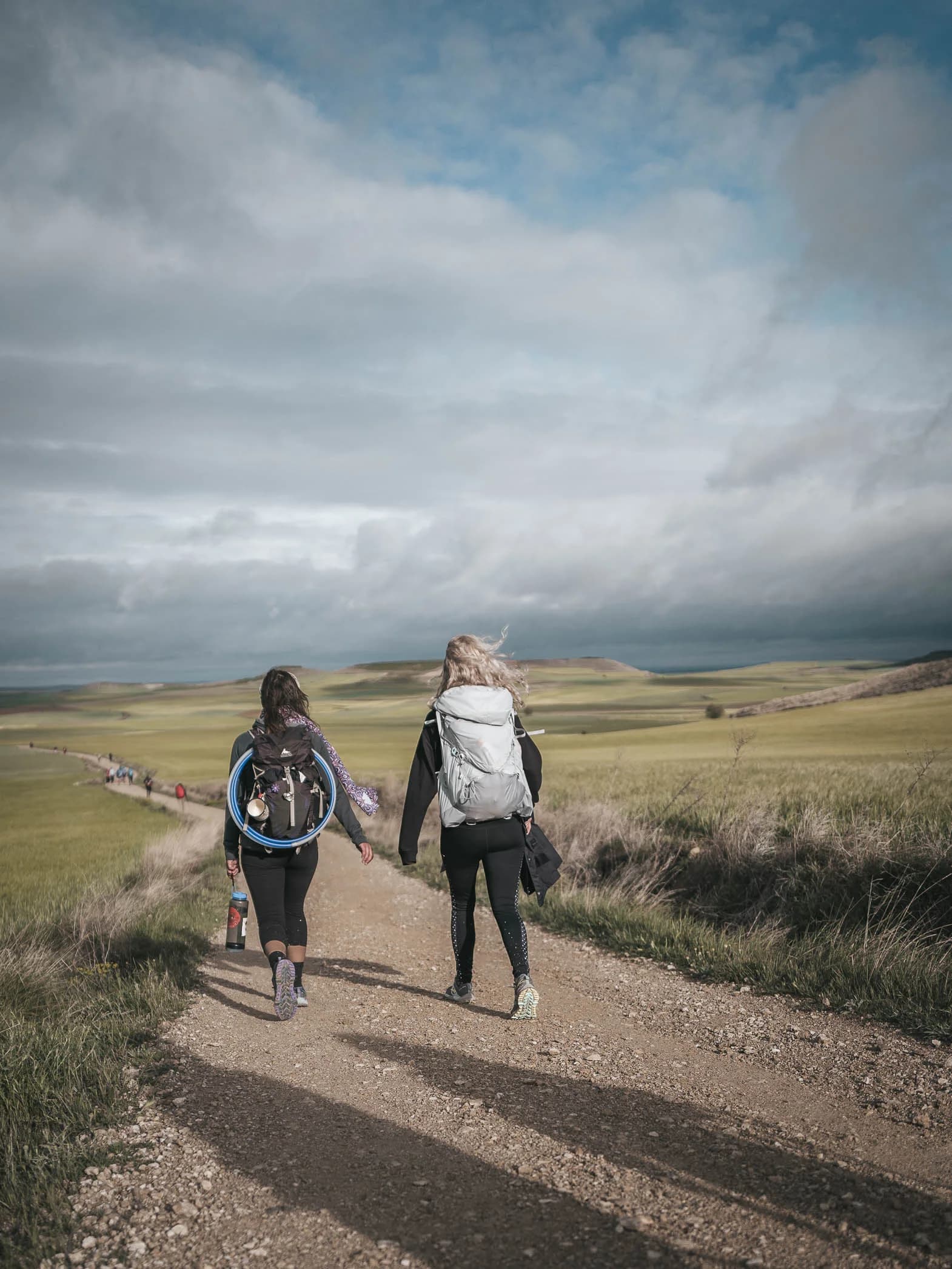
Water capacity is critical. On the Frances, you can get away with a small bottle and refill constantly. On the Vía de la Plata, you need to carry at least 2 litres for some stages. A CamelBak Chute Mag Water Bottle is a solid choice — lightweight and easy to drink from whilst walking.
Sun protection is non-negotiable. Even in spring, the Andalusian and Extremaduran sun is intense. A good Buff headwear can be worn as a neck gaiter, headband, or makeshift hat — I never walk without one.
Blister prevention matters even more when you're far from pharmacies. Keep Compeed Advanced Blister Care in your pack — they're genuinely the best blister plasters I've found across all my Caminos.
Rain gear for Galicia. If your route finishes through Galicia (and it probably will), pack a lightweight Frogg Toggs rain poncho. It weighs almost nothing and covers your backpack too.
This is what makes MyCaminoGuide different from static guidebooks and generic apps. The Vía de la Plata is a route that really benefits from tailored planning — the long gaps between services, the regional weather variations, the route choice at Zamora — and having an AI assistant that understands all of these nuances makes a real difference.
And now, MyCaminoGuide has you covered every step of the way. Buen Camino.
---
Try asking MyCaminoGuide:
- Tell me about the Vía de la Plata stages
- Plan a custom itinerary from Seville to Santiago
- What should I pack for the Vía de la Plata?
For those unfamiliar, the Vía de la Plata is one of the longest and most ancient Camino routes in Spain. Starting in Seville and stretching roughly 1,000 kilometres north to Santiago de Compostela, it follows old Roman trade roads that have been carrying travellers across the Iberian Peninsula for over two thousand years. The name itself — "Plata" — doesn't actually mean "silver" as many assume. It's thought to derive from the Arabic word balat, meaning "paved road." But the Silver Route nickname stuck, and honestly, it's rather fitting for a path this precious.
I haven't walked the Vía de la Plata myself (yet — it's very much on my list), but I've spoken to dozens of pilgrims who have, and the stories are always the same: it's harder than they expected, more beautiful than they imagined, and profoundly quieter than the Frances. That last part is what draws most people to it.
Why the Vía de la Plata Is Different
If you've walked the Camino Frances, you know the rhythm — villages every few kilometres, a steady stream of fellow pilgrims, cafés appearing right when you need them. The Vía de la Plata is... not that.This is a route defined by solitude and vast open spaces. There are stretches of 20-25 kilometres where you won't pass a single town. No bar. No fountain. Just you, the meseta-like plains of Extremadura, and the sound of your own footsteps. It's the kind of walking that forces you to be genuinely self-sufficient — and genuinely present.
The route passes through four distinct regions of Spain, each with its own character:
- Andalusia — You start in Seville, one of Spain's most vibrant cities, and quickly find yourself among rolling olive groves and golden wheat fields. The early stages are flat but exposed, and the Andalusian sun is no joke.
- Extremadura — This is wild, rugged Spain. Roman ruins in Mérida, the medieval old town of Cáceres (a UNESCO World Heritage site), and vast dehesas — those iconic grasslands dotted with holm oaks where Iberian pigs roam. It's stunning, and deeply underrated.
- Castilla y León — The route passes through Salamanca, home to one of Europe's oldest universities, and Zamora, with its remarkable Romanesque churches. The landscape opens up into the broad plains of the meseta.
- Galicia — The final stretch takes you through the lush, green hills of Galicia. After weeks of arid plains and scorching heat, the cool dampness of Galicia feels like a reward in itself.
The Numbers
Let's talk logistics. The Vía de la Plata covers approximately 1,000 km across 36-38 stages (depending on how you break them up). Most pilgrims complete it in 40-50 days. Individual stages range from about 19 to 38 kilometres — some of those longer days are genuinely demanding, especially when services are sparse.The route also offers a key decision point around Zamora: you can continue northwest on the Camino Sanabrés through Ourense to Santiago, or head northeast to Astorga and join the Camino Frances for the final stretch. Both options are now fully supported in MyCaminoGuide, so you can plan either route with detailed stage information, accommodation recommendations, and difficulty ratings.
When to Walk
This is important, so I'll be direct: do not walk the Vía de la Plata in summer. Temperatures in Andalusia and Extremadura regularly hit 40-45°C in July and August, with minimal shade along the route. Pilgrims have gotten into serious trouble attempting this.The sweet spot is March through May or September through October. Spring is particularly beautiful — wildflowers everywhere, comfortable temperatures, and the landscape at its greenest. Autumn is drier but pleasant, and you'll have the route almost entirely to yourself.
What You'll Need (That You Might Not Expect)
The Vía de la Plata demands slightly different preparation than the more popular routes. A few things to consider:Water capacity is critical. On the Frances, you can get away with a small bottle and refill constantly. On the Vía de la Plata, you need to carry at least 2 litres for some stages. A CamelBak Chute Mag Water Bottle is a solid choice — lightweight and easy to drink from whilst walking.
Sun protection is non-negotiable. Even in spring, the Andalusian and Extremaduran sun is intense. A good Buff headwear can be worn as a neck gaiter, headband, or makeshift hat — I never walk without one.
Blister prevention matters even more when you're far from pharmacies. Keep Compeed Advanced Blister Care in your pack — they're genuinely the best blister plasters I've found across all my Caminos.
Rain gear for Galicia. If your route finishes through Galicia (and it probably will), pack a lightweight Frogg Toggs rain poncho. It weighs almost nothing and covers your backpack too.
What This Means for MyCaminoGuide
You can now ask MyCaminoGuide anything about the Vía de la Plata — stages, distances, difficulty ratings, accommodations, the works. Want to know where to stay in Cáceres? Curious about the best stages near Salamanca? Wondering how to plan a custom itinerary that starts in Seville? Just ask in the chat and the AI will build a personalised plan based on your fitness level, time constraints, and preferences.This is what makes MyCaminoGuide different from static guidebooks and generic apps. The Vía de la Plata is a route that really benefits from tailored planning — the long gaps between services, the regional weather variations, the route choice at Zamora — and having an AI assistant that understands all of these nuances makes a real difference.
The Bottom Line
The Vía de la Plata isn't for everyone. It's longer, lonelier, and logistically more challenging than the Frances or the Portugués. But for pilgrims who want to experience the raw, ancient heart of Spain — the Roman roads, the vast horizons, the medieval cities, the profound solitude — there's nothing quite like it.And now, MyCaminoGuide has you covered every step of the way. Buen Camino.
---
Try asking MyCaminoGuide:
- Tell me about the Vía de la Plata stages
- Plan a custom itinerary from Seville to Santiago
- What should I pack for the Vía de la Plata?