Beyond the Francés: discover alternative pilgrimage routes like the Primitivo, Inglés, and Portuguese Coastal that offer fewer crowds and unique experiences for
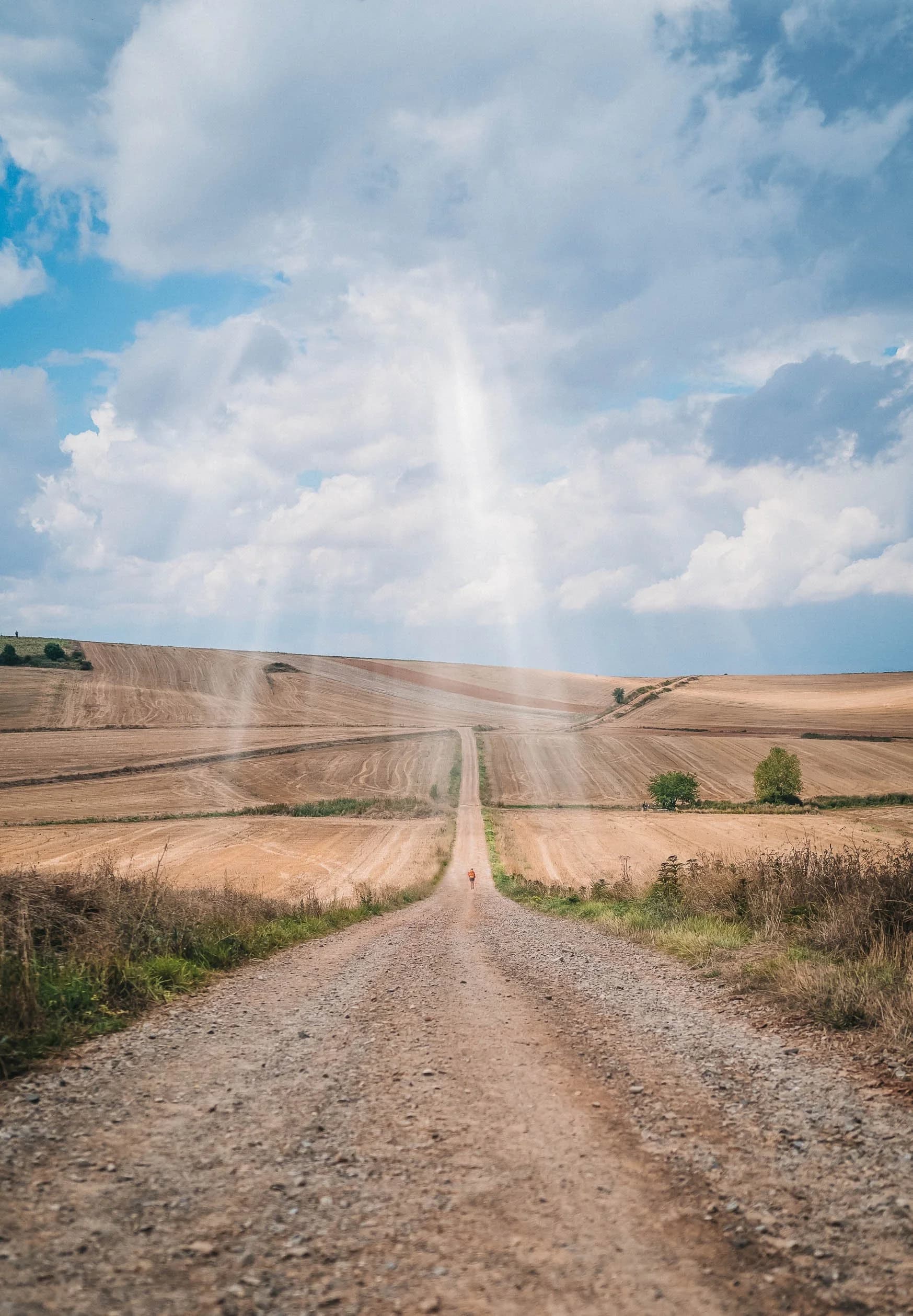
So you've walked the Francés. Maybe twice. Perhaps you loved the camaraderie, the buzzing albergues, the familiar yellow arrows pointing you toward Santiago like breadcrumbs through a fairy tale. But now you're craving something different—fewer crowds, more solitude, landscapes that feel undiscovered. I get it. After walking the Francés six times, I found myself yearning for routes where I might go half a day without seeing another pilgrim, where the path felt less like a well-worn highway and more like a secret whispered between the mountains and the sea.
Here's the thing about alternative Camino routes: some I've walked extensively, others I've researched obsessively whilst planning future pilgrimages. I'll be honest with you about which is which. What I can tell you from direct experience is that stepping off the Francés opens up an entirely different relationship with Spain, Portugal, and the pilgrimage itself. The infrastructure might be thinner, the way-marking occasionally questionable, and the albergue options more limited—but the rewards are immense.
Let me share eight lesser-known routes worth your consideration for 2026, mixing my hard-won firsthand knowledge with insights gathered from fellow pilgrims whose judgment I trust.
The numbers don't lie: approximately 825 kilometers from Irún to Santiago, with stages that regularly throw 1,000+ meters of cumulative climbing at you. My calves still remember certain days with a mixture of respect and resentment.
But here's what the Norte gives you in return—solitude, genuine solitude. Even in peak summer, I walked entire mornings without seeing another pilgrim. The Basque Country section alone is worth the effort, with its pintxos bars in San Sebastián, the dramatic coastline near Zumaia, and the genuinely friendly locals who seem pleased rather than exhausted by pilgrims.
Go in knowing that this route demands more from you physically. The infrastructure is improving each year, but you'll encounter longer stretches between services than on the Francés. Bring trekking poles—they're not optional here, they're essential.
The Norte takes roughly 32-35 walking days for most people. If you're planning for 2026, consider starting in late May or early September to dodge both the worst crowds and the summer heat along that exposed coastline.
This is historically the first Camino, walked by King Alfonso II in the 9th century from Oviedo to Santiago. At roughly 320 kilometers, it's shorter than many routes, but don't let that fool you. The mountain terrain through Asturias is serious business. Pilgrims consistently describe stages with 1,200-1,500 meters of elevation gain, often in unpredictable weather.
What draws me to it—and what pilgrims rave about—is the sense of walking through landscapes that feel genuinely wild. Small villages clinging to hillsides, ancient forests, mist rolling through valleys. The infrastructure has improved significantly over the past few years, with more albergues opening and better waymarking, but it still maintains that frontier feeling.
The Primitivo joins the Francés at Melide, about 55 kilometers from Santiago. Some pilgrims find this transition jarring—suddenly you're back in the crowds. Others appreciate the social energy for those final days.
My suggestion for 2026: if you're an experienced pilgrim in solid physical condition, the Primitivo offers perhaps the best ratio of challenge to satisfaction of any route I've researched.
Starting from Lisbon transforms the Camino Portugués from a relatively quick route into a proper 620-kilometer journey. Those first days walking out of the capital, crossing the Tagus on the ferry, and making your way through the Alentejo region... it's unlike any other Camino experience. The landscape is vast, the cork oak forests endless, and yes—the summer heat can be absolutely brutal. I learned to start walking at 5:30 AM in July, no exceptions.
But here's what surprised me: the inland route through Portugal, often dismissed as less scenic than the coastal option, has a profound, quiet beauty. Towns like Santarém, Tomar (home to the spectacular Convento de Cristo), and Coimbra offer cultural experiences that rival anything on the Francés. The Portuguese people are extraordinarily welcoming, and the food—oh, the food. Fresh seafood even in inland cities, custard tarts that ruin you for all other pastries, and local wines that cost almost nothing and taste like celebration.
The section from Porto to Santiago (about 240 kilometers) is more commonly walked and has excellent infrastructure. If you're short on time but want a genuine Portuguese experience, this is where I'd point you. The route passes through charming towns like Barcelos and Ponte de Lima before crossing into Galicia.
One practical note: the inland Portuguese route can feel lonely in the off-season. I walked portions in February once and went entire days without meaningful conversation. For some pilgrims, that's exactly what they're seeking. Know yourself before you go.
Splitting from the inland route at Porto, the coastal path follows the Atlantic northward through beach towns, fishing villages, and stretches of genuine wilderness. The infrastructure has improved dramatically over the past decade—when I first walked it, waymarking was patchy and albergue options slim. Now it's a fully viable alternative, though still less developed than the inland route.
Highlights that still live in my memory: the wooden boardwalks through the dunes near Espinho, the fishing boats being hauled up beaches in small villages, the absolutely incredible sunsets over the Atlantic whilst eating fresh grilled sardines. There's a moment where you walk along an endless beach, waves crashing beside you, and the path ahead seems to disappear into the sea mist. Transcendent is an overused word, but it applies.
The coastal route rejoins the inland path around Redondela, or you can continue along the coast and pick up the Variante Espiritual (more on that shortly). Either way, expect the coastal route to add a day or two compared to the inland option—the terrain is more challenging and the scenery demands you stop and stare more often.
Pack a lightweight rain jacket even in summer. Atlantic weather is fickle, and you'll encounter sea mist that soaks you through before you realize what's happening.
Walking this variant requires some planning. From Pontevedra, you walk to Vilanova de Arousa (about 25 kilometers), where you can take a ferry across the estuary. The boat journey typically runs seasonally—roughly April through October—so 2026 pilgrims should confirm schedules well in advance. The sailing passes mussel-farming platforms and deposits you at the small port of Ribeira, from where you continue walking to Padrón and eventually rejoining the main Camino route.
What makes this special? The boat crossing itself is contemplative, a forced pause in the walking rhythm that allows reflection in a way the continuous path doesn't. You're retracing (in a sense) the mythical journey of the saint you're walking toward. For pilgrims seeking spiritual meaning in their journey—rather than purely physical challenge—this variant adds a layer of ritual that I found unexpectedly moving.
The route from the coastal path to Vilanova and then from Ribeira onward is well-marked but less travelled than the main Portuguese routes. I'd recommend it for pilgrims who've already walked at least one Camino and are comfortable with lighter infrastructure.
The history is fascinating: this route traces the paths of medieval English, Scottish, and Northern European pilgrims who arrived by sea and walked the final stretch to Santiago. It's a connection to the broader European pilgrimage tradition that often gets overshadowed by the Spanish routes.
From what trusted pilgrims have told me, the Inglés offers lovely Galician countryside walking, genuinely friendly villages, and a gradual build-up to Santiago that feels earned even in its brevity. The infrastructure has improved significantly in recent years, with more albergue options and clearer waymarking.
If you can only manage a week away and want a genuine Camino experience (not just the final 100 kilometers of the Francés with its overwhelming crowds), the Inglés might be your answer.
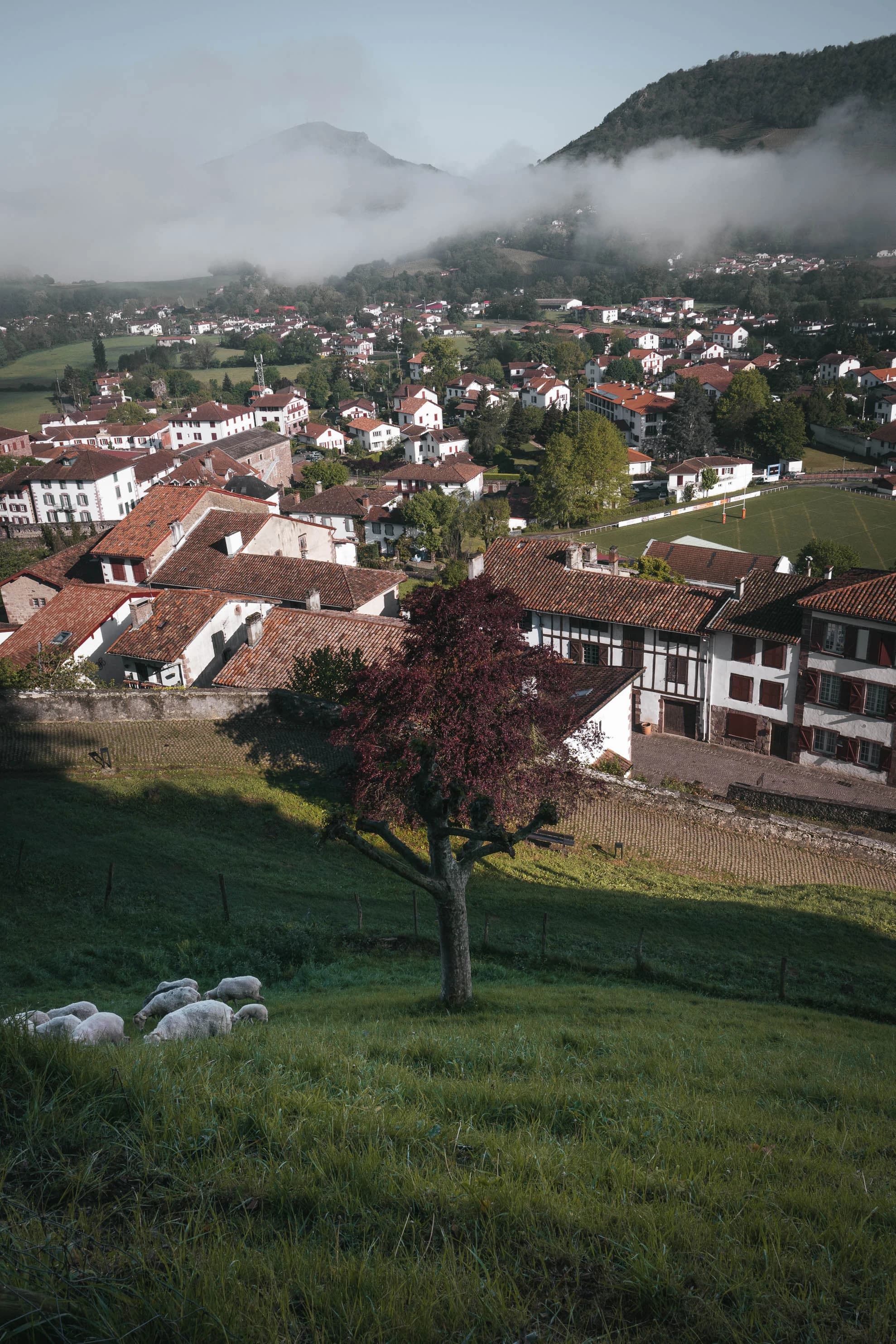
Starting in Le Puy-en-Velay, a stunning town built around volcanic plugs, this route crosses approximately 730 kilometers of southern France before reaching the Spanish border at Saint-Jean-Pied-de-Port—where most Francés pilgrims begin. Walking it is like adding a secret prequel to the familiar story.
The French infrastructure is different from Spain's. Rather than the donativo albergue system, you'll mostly find gîtes d'étape (similar to British B&Bs with dormitory options) and smaller refuges. The cost tends to be higher than in Spain, but the quality is generally excellent. French hospitality along this route is genuinely warm—I encountered numerous hosts who seemed honored to receive pilgrims, not merely tolerant of them.
Landscapes? Extraordinary. The Aubrac plateau in early summer, covered in wildflowers and grazed by those distinctive blonde cattle. The causses (limestone plateaus) with their ancient stone villages. The descent into Conques, one of the most perfectly preserved medieval towns I've ever seen, its Romanesque abbey a masterpiece that rivals Santiago itself.
Go in knowing that the Via Podiensis is more expensive than walking in Spain. Budget perhaps €40-60 per day compared to €25-40 in Spain. The tradeoff is excellent meals (often included in accommodation), pristine trail conditions, and far fewer pilgrims—you'll count daily encounters in dozens, not hundreds.
For 2026, I would highly suggest combining the Via Podiensis with the Camino Francés for a truly comprehensive pilgrimage experience. Yes, it requires significant time (about 60-70 walking days total), but the contrast between French and Spanish Camino culture is enlightening.
Here's the thing: most pilgrims arrive in Santiago, attend the pilgrim mass, collect their Compostela, and fly home. But the original pilgrimage continued to the Atlantic coast, to the place medieval Europeans believed was the end of the known world. Cape Finisterre, with its lighthouse perched above thrashing waves, offers a conclusion to the Camino that Santiago—despite its magnificence—cannot match.
The walk from Santiago to Finisterre covers approximately 88 kilometers and takes three to four days. You can extend to Muxía, another coastal town with deep Camino traditions, adding an extra day or two. The route passes through rural Galicia—stone villages, eucalyptus forests, small farming communities—before that final dramatic stretch to the cape.
What happens at Finisterre varies by pilgrim. Some burn their boots or clothes in a ritual of completion (the local authorities discourage this now, for good reason). Others simply sit on the rocks, staring westward, processing everything the past weeks or months have meant. I've done both. And I've also just sat in the small town's seafood restaurants, drinking local Albariño wine and eating pulpo a feira until I couldn't move.
The infrastructure to Finisterre is good—proper albergues, easy way-marking, services in most villages. It adds minimal challenge to your journey but maximum emotional payoff. If you're walking any Camino route to Santiago in 2026, I would highly suggest building in an extra four to five days for this extension. You'll regret missing it far more than you'll regret the additional time.
Timing matters more on lesser-known routes. The Francés functions year-round (albeit thinly in winter). Alternative routes have narrower infrastructure windows, typically April through October. If you're planning for 2026, aim for May-June or September-October for the best balance of weather, services, and solitude.
Credential management is important. Make sure your credential is stamped appropriately, especially on routes where services are sparse. Some alternative routes require stamps from specific locations to earn your Compostela. The distance requirements remain: 100 kilometers walked or 200 kilometers cycled for the final approach to Santiago.
Language helps. On the Francés, you can get by with English almost everywhere. On alternative routes through Portugal, rural France, or remote Spanish regions, basic Spanish or Portuguese makes a significant difference. Even just learning "¿Tiene habitación?" (Do you have a room?) and numbers will smooth your path.
Book ahead in key spots. Whilst spontaneity is part of the Camino magic, certain locations on alternative routes have limited beds. Conques on the Via Podiensis, for instance, fills quickly. A few strategic reservations reduce stress without eliminating flexibility.
And please, invest in proper footwear. On technical routes like the Norte or Primitivo, those trail runners or hiking boots will determine whether your journey is transcendent or torturous.
Maybe that's the wild Atlantic crashing below your feet on the Norte. Maybe it's the spiritual quiet of the Via Podiensis through rural France. Maybe it's standing at the end of the earth in Finisterre, realizing that the journey doesn't end when you arrive—it transforms.
For 2026, my genuine suggestion is this: if you've walked the Francés and found yourself changed by it, choose an alternative route that frightens you slightly. The Norte if you want physical challenge. The Portugués if you want cultural immersion. The Via Podiensis if you want to understand the deeper European roots of pilgrimage. Each offers something the Francés cannot—and in that difference, you'll discover new dimensions of yourself.
I'm still planning which route I'll walk next. Probably the Primitivo, finally. Or maybe back to the Norte, to see if I've gotten any stronger in the years since it broke me down.
Wherever you walk, I'll see you on the path—or at least in spirit, raising a glass somewhere along the way.
---
If you're ready to start planning your 2026 Camino but aren't sure which alternative route suits you best, plan your Camino with questions about your fitness level, available time, and what you're hoping to find. Or ask about specific route comparisons to help narrow your decision.
---
Try asking My Camino Guide:
- Which alternative Camino route is best for someone who's walked the Francés twice?
- How do I prepare physically for the Camino Norte's elevation changes?
- What's the best time of year to walk the Portuguese Coastal route?
Here's the thing about alternative Camino routes: some I've walked extensively, others I've researched obsessively whilst planning future pilgrimages. I'll be honest with you about which is which. What I can tell you from direct experience is that stepping off the Francés opens up an entirely different relationship with Spain, Portugal, and the pilgrimage itself. The infrastructure might be thinner, the way-marking occasionally questionable, and the albergue options more limited—but the rewards are immense.
Let me share eight lesser-known routes worth your consideration for 2026, mixing my hard-won firsthand knowledge with insights gathered from fellow pilgrims whose judgment I trust.
1. Camino Norte: The Wild Atlantic Way
This is the route that humbled me. I walked the Norte once, and it remains one of the most physically demanding yet visually stunning experiences of my pilgrimage life. Where the Francés rolls through wheat fields and meseta, the Norte clings to cliffs above the Cantabrian Sea, dips into fishing villages that time forgot, and punishes your legs with relentless elevation changes.The numbers don't lie: approximately 825 kilometers from Irún to Santiago, with stages that regularly throw 1,000+ meters of cumulative climbing at you. My calves still remember certain days with a mixture of respect and resentment.
But here's what the Norte gives you in return—solitude, genuine solitude. Even in peak summer, I walked entire mornings without seeing another pilgrim. The Basque Country section alone is worth the effort, with its pintxos bars in San Sebastián, the dramatic coastline near Zumaia, and the genuinely friendly locals who seem pleased rather than exhausted by pilgrims.
Go in knowing that this route demands more from you physically. The infrastructure is improving each year, but you'll encounter longer stretches between services than on the Francés. Bring trekking poles—they're not optional here, they're essential.
The Norte takes roughly 32-35 walking days for most people. If you're planning for 2026, consider starting in late May or early September to dodge both the worst crowds and the summer heat along that exposed coastline.
2. Camino Primitivo: The Original Path
I haven't walked the Primitivo yet—it's high on my list for 2026—but I've spoken with dozens of pilgrims who have, and the consensus is remarkably consistent: it's tough, beautiful, and deeply rewarding.This is historically the first Camino, walked by King Alfonso II in the 9th century from Oviedo to Santiago. At roughly 320 kilometers, it's shorter than many routes, but don't let that fool you. The mountain terrain through Asturias is serious business. Pilgrims consistently describe stages with 1,200-1,500 meters of elevation gain, often in unpredictable weather.
What draws me to it—and what pilgrims rave about—is the sense of walking through landscapes that feel genuinely wild. Small villages clinging to hillsides, ancient forests, mist rolling through valleys. The infrastructure has improved significantly over the past few years, with more albergues opening and better waymarking, but it still maintains that frontier feeling.
The Primitivo joins the Francés at Melide, about 55 kilometers from Santiago. Some pilgrims find this transition jarring—suddenly you're back in the crowds. Others appreciate the social energy for those final days.
My suggestion for 2026: if you're an experienced pilgrim in solid physical condition, the Primitivo offers perhaps the best ratio of challenge to satisfaction of any route I've researched.
3. Camino Portugués (Inland Route): Walking Through History
Now we're in territory I know intimately. I've walked the Portuguese route—both inland and coastal variants—and I've done the full journey from Lisbon, which added a dimension to the pilgrimage I hadn't expected.Starting from Lisbon transforms the Camino Portugués from a relatively quick route into a proper 620-kilometer journey. Those first days walking out of the capital, crossing the Tagus on the ferry, and making your way through the Alentejo region... it's unlike any other Camino experience. The landscape is vast, the cork oak forests endless, and yes—the summer heat can be absolutely brutal. I learned to start walking at 5:30 AM in July, no exceptions.
But here's what surprised me: the inland route through Portugal, often dismissed as less scenic than the coastal option, has a profound, quiet beauty. Towns like Santarém, Tomar (home to the spectacular Convento de Cristo), and Coimbra offer cultural experiences that rival anything on the Francés. The Portuguese people are extraordinarily welcoming, and the food—oh, the food. Fresh seafood even in inland cities, custard tarts that ruin you for all other pastries, and local wines that cost almost nothing and taste like celebration.
The section from Porto to Santiago (about 240 kilometers) is more commonly walked and has excellent infrastructure. If you're short on time but want a genuine Portuguese experience, this is where I'd point you. The route passes through charming towns like Barcelos and Ponte de Lima before crossing into Galicia.
One practical note: the inland Portuguese route can feel lonely in the off-season. I walked portions in February once and went entire days without meaningful conversation. For some pilgrims, that's exactly what they're seeking. Know yourself before you go.
4. Camino Portugués Coastal Route: Where Ocean Meets Path
The coastal variant of the Portugués is, in my biased opinion, one of the most beautiful walks in Europe. I say biased because I'm a sucker for ocean views, and this route delivers them in abundance.Splitting from the inland route at Porto, the coastal path follows the Atlantic northward through beach towns, fishing villages, and stretches of genuine wilderness. The infrastructure has improved dramatically over the past decade—when I first walked it, waymarking was patchy and albergue options slim. Now it's a fully viable alternative, though still less developed than the inland route.
Highlights that still live in my memory: the wooden boardwalks through the dunes near Espinho, the fishing boats being hauled up beaches in small villages, the absolutely incredible sunsets over the Atlantic whilst eating fresh grilled sardines. There's a moment where you walk along an endless beach, waves crashing beside you, and the path ahead seems to disappear into the sea mist. Transcendent is an overused word, but it applies.
The coastal route rejoins the inland path around Redondela, or you can continue along the coast and pick up the Variante Espiritual (more on that shortly). Either way, expect the coastal route to add a day or two compared to the inland option—the terrain is more challenging and the scenery demands you stop and stare more often.
Pack a lightweight rain jacket even in summer. Atlantic weather is fickle, and you'll encounter sea mist that soaks you through before you realize what's happening.
5. Variante Espiritual: The Pilgrim's Water Crossing
This variant holds a special place in my heart. Branching off from the Portuguese Coastal route near Pontevedra, the Spiritual Variant takes you through the beautiful Ría de Arousa on a boat journey that echoes the legendary arrival of the Apostle James's body to Galicia.Walking this variant requires some planning. From Pontevedra, you walk to Vilanova de Arousa (about 25 kilometers), where you can take a ferry across the estuary. The boat journey typically runs seasonally—roughly April through October—so 2026 pilgrims should confirm schedules well in advance. The sailing passes mussel-farming platforms and deposits you at the small port of Ribeira, from where you continue walking to Padrón and eventually rejoining the main Camino route.
What makes this special? The boat crossing itself is contemplative, a forced pause in the walking rhythm that allows reflection in a way the continuous path doesn't. You're retracing (in a sense) the mythical journey of the saint you're walking toward. For pilgrims seeking spiritual meaning in their journey—rather than purely physical challenge—this variant adds a layer of ritual that I found unexpectedly moving.
The route from the coastal path to Vilanova and then from Ribeira onward is well-marked but less travelled than the main Portuguese routes. I'd recommend it for pilgrims who've already walked at least one Camino and are comfortable with lighter infrastructure.
6. Camino Inglés: For the Time-Starved Pilgrim
I haven't walked the Inglés myself, but it deserves mention for 2026 planners, particularly those with limited vacation time. At approximately 75 kilometers from Ferrol to Santiago (or 119 kilometers from A Coruña), it's one of the shortest routes that still earns you a Compostela—though only the Ferrol starting point qualifies for the credential.The history is fascinating: this route traces the paths of medieval English, Scottish, and Northern European pilgrims who arrived by sea and walked the final stretch to Santiago. It's a connection to the broader European pilgrimage tradition that often gets overshadowed by the Spanish routes.
From what trusted pilgrims have told me, the Inglés offers lovely Galician countryside walking, genuinely friendly villages, and a gradual build-up to Santiago that feels earned even in its brevity. The infrastructure has improved significantly in recent years, with more albergue options and clearer waymarking.
If you can only manage a week away and want a genuine Camino experience (not just the final 100 kilometers of the Francés with its overwhelming crowds), the Inglés might be your answer.
7. Via Podiensis (Le Puy Route): The French Foundation
Now this—this is a route I know deeply. I've walked the Via Podiensis twice, once continuing all the way to Santiago, and it fundamentally changed my understanding of what the Camino can be.Starting in Le Puy-en-Velay, a stunning town built around volcanic plugs, this route crosses approximately 730 kilometers of southern France before reaching the Spanish border at Saint-Jean-Pied-de-Port—where most Francés pilgrims begin. Walking it is like adding a secret prequel to the familiar story.
The French infrastructure is different from Spain's. Rather than the donativo albergue system, you'll mostly find gîtes d'étape (similar to British B&Bs with dormitory options) and smaller refuges. The cost tends to be higher than in Spain, but the quality is generally excellent. French hospitality along this route is genuinely warm—I encountered numerous hosts who seemed honored to receive pilgrims, not merely tolerant of them.
Landscapes? Extraordinary. The Aubrac plateau in early summer, covered in wildflowers and grazed by those distinctive blonde cattle. The causses (limestone plateaus) with their ancient stone villages. The descent into Conques, one of the most perfectly preserved medieval towns I've ever seen, its Romanesque abbey a masterpiece that rivals Santiago itself.
Go in knowing that the Via Podiensis is more expensive than walking in Spain. Budget perhaps €40-60 per day compared to €25-40 in Spain. The tradeoff is excellent meals (often included in accommodation), pristine trail conditions, and far fewer pilgrims—you'll count daily encounters in dozens, not hundreds.
For 2026, I would highly suggest combining the Via Podiensis with the Camino Francés for a truly comprehensive pilgrimage experience. Yes, it requires significant time (about 60-70 walking days total), but the contrast between French and Spanish Camino culture is enlightening.
8. Finisterre Extension: Walking to the End of the Earth
I've walked to Finisterre five times. Five. That probably tells you everything about how I feel about this route.Here's the thing: most pilgrims arrive in Santiago, attend the pilgrim mass, collect their Compostela, and fly home. But the original pilgrimage continued to the Atlantic coast, to the place medieval Europeans believed was the end of the known world. Cape Finisterre, with its lighthouse perched above thrashing waves, offers a conclusion to the Camino that Santiago—despite its magnificence—cannot match.
The walk from Santiago to Finisterre covers approximately 88 kilometers and takes three to four days. You can extend to Muxía, another coastal town with deep Camino traditions, adding an extra day or two. The route passes through rural Galicia—stone villages, eucalyptus forests, small farming communities—before that final dramatic stretch to the cape.
What happens at Finisterre varies by pilgrim. Some burn their boots or clothes in a ritual of completion (the local authorities discourage this now, for good reason). Others simply sit on the rocks, staring westward, processing everything the past weeks or months have meant. I've done both. And I've also just sat in the small town's seafood restaurants, drinking local Albariño wine and eating pulpo a feira until I couldn't move.
The infrastructure to Finisterre is good—proper albergues, easy way-marking, services in most villages. It adds minimal challenge to your journey but maximum emotional payoff. If you're walking any Camino route to Santiago in 2026, I would highly suggest building in an extra four to five days for this extension. You'll regret missing it far more than you'll regret the additional time.
Practical Considerations for Alternative Routes in 2026
A few things worth noting as you plan:Timing matters more on lesser-known routes. The Francés functions year-round (albeit thinly in winter). Alternative routes have narrower infrastructure windows, typically April through October. If you're planning for 2026, aim for May-June or September-October for the best balance of weather, services, and solitude.
Credential management is important. Make sure your credential is stamped appropriately, especially on routes where services are sparse. Some alternative routes require stamps from specific locations to earn your Compostela. The distance requirements remain: 100 kilometers walked or 200 kilometers cycled for the final approach to Santiago.
Language helps. On the Francés, you can get by with English almost everywhere. On alternative routes through Portugal, rural France, or remote Spanish regions, basic Spanish or Portuguese makes a significant difference. Even just learning "¿Tiene habitación?" (Do you have a room?) and numbers will smooth your path.
Book ahead in key spots. Whilst spontaneity is part of the Camino magic, certain locations on alternative routes have limited beds. Conques on the Via Podiensis, for instance, fills quickly. A few strategic reservations reduce stress without eliminating flexibility.
And please, invest in proper footwear. On technical routes like the Norte or Primitivo, those trail runners or hiking boots will determine whether your journey is transcendent or torturous.
Finding Your Path
The Camino de Santiago isn't a single route—it's a network of paths stretching across Europe, each offering its own character, challenges, and gifts. The Francés will always be the classic, the route that captures the collective imagination. But these alternatives? They're where many pilgrims find what they were actually searching for.Maybe that's the wild Atlantic crashing below your feet on the Norte. Maybe it's the spiritual quiet of the Via Podiensis through rural France. Maybe it's standing at the end of the earth in Finisterre, realizing that the journey doesn't end when you arrive—it transforms.
For 2026, my genuine suggestion is this: if you've walked the Francés and found yourself changed by it, choose an alternative route that frightens you slightly. The Norte if you want physical challenge. The Portugués if you want cultural immersion. The Via Podiensis if you want to understand the deeper European roots of pilgrimage. Each offers something the Francés cannot—and in that difference, you'll discover new dimensions of yourself.
I'm still planning which route I'll walk next. Probably the Primitivo, finally. Or maybe back to the Norte, to see if I've gotten any stronger in the years since it broke me down.
Wherever you walk, I'll see you on the path—or at least in spirit, raising a glass somewhere along the way.
---
If you're ready to start planning your 2026 Camino but aren't sure which alternative route suits you best, plan your Camino with questions about your fitness level, available time, and what you're hoping to find. Or ask about specific route comparisons to help narrow your decision.
---
Try asking My Camino Guide:
- Which alternative Camino route is best for someone who's walked the Francés twice?
- How do I prepare physically for the Camino Norte's elevation changes?
- What's the best time of year to walk the Portuguese Coastal route?