A curated guide to the best affordable pilgrim hostels on the most popular Camino route, including what amenities to expect and how to secure a bed during peak
Let me be honest with you: after six pilgrimages along the Camino Francés, I've slept in everything from converted medieval monasteries to what I can only describe as "concrete bunkers with snoring." And here's the thing – some of my most memorable nights were in the humblest, cheapest albergues on the route.
Budget accommodation on the Camino isn't about suffering through your pilgrimage. It's about experiencing something increasingly rare in our overpriced world: genuine hospitality, unexpected community, and the reminder that you don't need thread counts and turndown service to have a transformative experience.
So grab a café con leche and let me walk you through seven albergues that won't demolish your budget but will absolutely enrich your Camino.
The cheapest albergues on the Camino Francés typically fall into three categories: municipal (run by local governments, usually €6-12), parochial (church-run, often donativo or €5-10), and donativo (give what you can/feel). These places attract a particular kind of pilgrim – one who's usually walking for the right reasons and happy to share their journey over a communal dinner.
I've had conversations in €7 municipal albergues that have fundamentally changed how I think about life. I've never had that happen in a €45 private room, no matter how nice the shower was.
That said, go in knowing these places come with trade-offs. You'll likely encounter squat toilets, limited privacy, and the occasional hospitalero who seems to have missed the "hospitality" memo. But the rewards far outweigh the inconveniences.
Beds: 183
Stage: End of Stage 1 from Saint-Jean-Pied-de-Port
I'm starting with this one because – let's face it – most pilgrims on the Francés start here or pass through. And whilst 183 beds sounds absolutely terrifying (it did to me, my first time), this place has earned its reputation for good reason.
The collegiate church dates back to the 12th century, and the albergue maintains that sense of history whilst offering genuinely modern facilities. Hot showers, proper heating (crucial in the Pyrenees), and a pilgrim blessing each evening that – regardless of your religious beliefs – sets a beautiful tone for the journey ahead.
My suggestion is to arrive by 2 PM during peak season (May-September). Earlier if you can manage it after that brutal Pyrenean crossing. The beds fill up, and the overflow situation in Roncesvalles isn't ideal.
The included breakfast won't win any culinary awards, but after Day 1's climb, you'll inhale that bread and coffee like it's a Michelin-starred meal.
Pro tip: Bring good earplugs. 183 pilgrims breathing, snoring, and rustling plastic bags at 5:30 AM is... an experience.
Beds: 28
Stage: End of Stage 2 or 3
Pamplona has dozens of accommodation options, but this little parochial gem in the old town keeps calling me back. It's run by the parish of San Saturnino, and the hospitaleros here genuinely care about pilgrims as people, not just as bed-fillers.
The building is old – properly old – with stone walls that keep things cool in summer but require some serious blanket action in spring or autumn. Beds are basic bunk beds, nothing fancy. But the communal dinner (usually around €10, separate from accommodation) is where the magic happens. I've shared meals here with pilgrims from Korea, Brazil, Ireland, and a memorable 72-year-old grandmother from Texas who was walking her third Camino.
Go in knowing the bathroom-to-pilgrim ratio isn't generous. Morning queues happen. But the location – right in the historic center, near that cathedral where you'll receive your first stamp – makes up for it.
Reservation note: They don't take reservations. Show up, hope for a bed, and have a backup plan. This applies to most parochial and donativo albergues, by the way.
Beds: 40
Stage: Between Belorado and Santo Domingo de la Calzada
If you ask experienced Camino pilgrims about their most memorable albergue, Grañón comes up with suspicious frequency. There's a reason.
This parish-run albergue operates on pure trust and community. You show up, you're welcomed, you help prepare dinner together, you share a meal family-style in the church attic (yes, the actual church attic), and you leave what you can afford in the morning.
The sleeping arrangements are communal – mattresses on the floor in the upper part of the church. It's not for everyone. But the experience of making dinner with strangers who become friends, of singing and sharing stories over simple food and local wine, of waking up with the church bells directly above you – that's the Camino distilled to its essence.
I would highly suggest walking the slightly longer stage from Belorado to stay here, even if it means pushing through some fatigue. It's worth it.
Important: They close the doors after evening vespers (around 8 PM). Late arrivals don't get beds. Plan your day accordingly.
Beds: 36
Stage: Meseta, between Castrojeriz and Boadilla
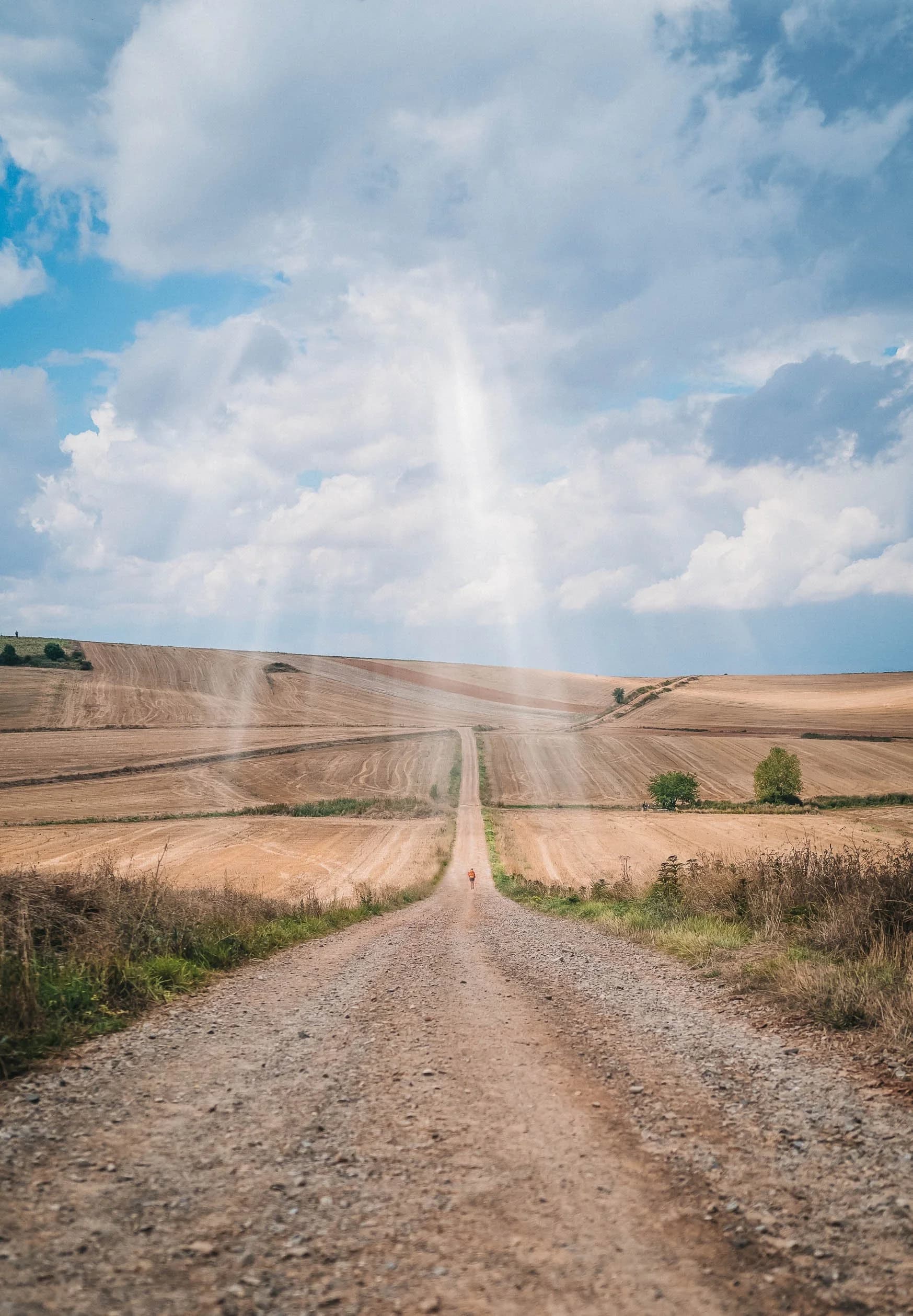
The Meseta breaks pilgrims. I'm not being dramatic – those endless wheat fields under the hammering sun have sent more people to buses than any mountain climb. So finding a comfortable, affordable refuge in the middle of this landscape feels like discovering an oasis.
Hontanas appears suddenly after you descend into a hidden valley, and the municipal albergue here is everything a budget-conscious pilgrim needs: clean beds, hot showers, a small kitchen for preparing meals, and a courtyard where you can actually sit and process the existential thoughts the Meseta has been forcing upon you.
The building itself was renovated a few years back, so facilities are modern despite the €7 price tag. There's something deeply satisfying about paying less than a fancy coffee costs at home for a night's accommodation.
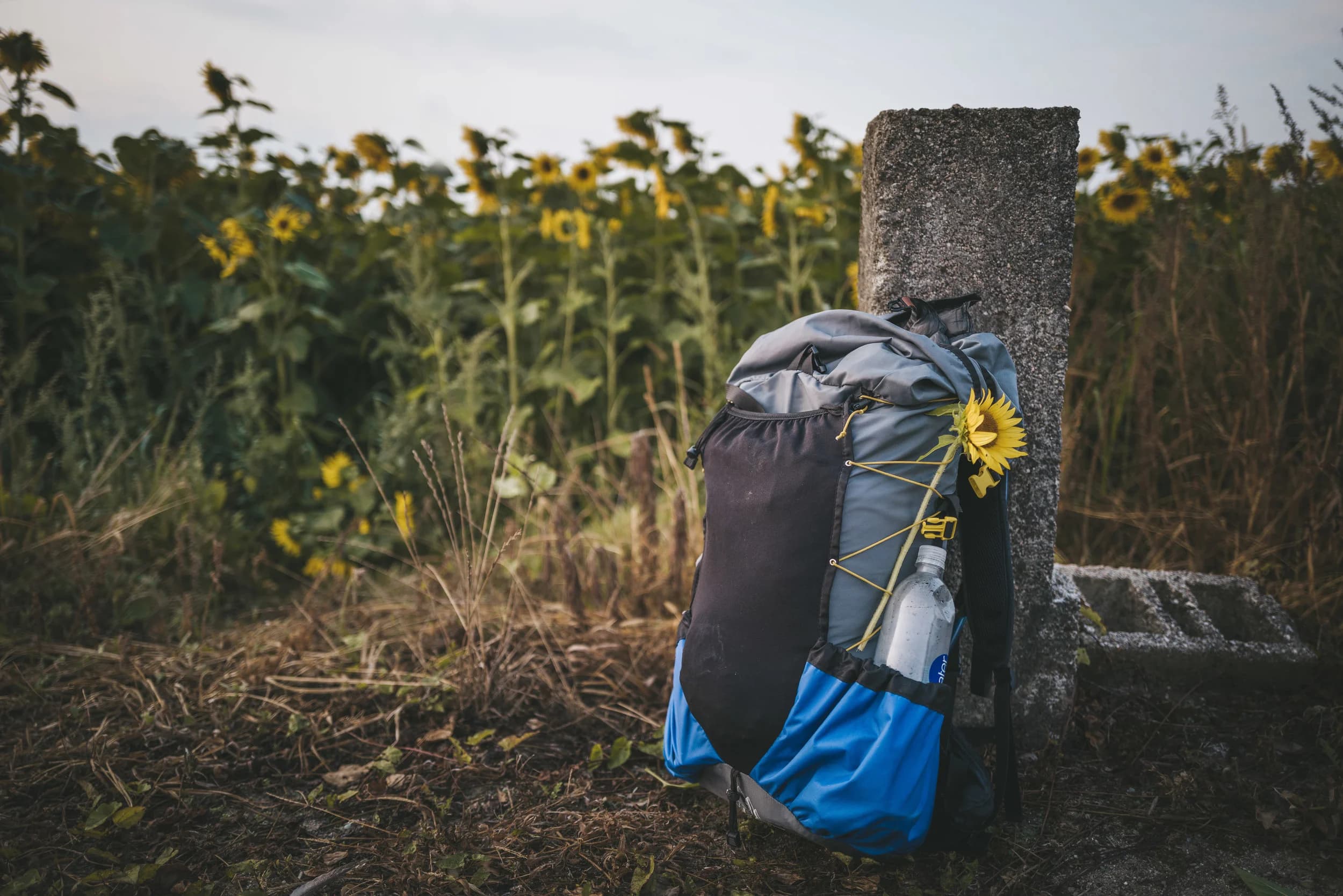
My advice: bring food with you to Hontanas. The village has limited services, and the small bar/restaurant can be overwhelmed during peak season. A reliable water bottle with filter is also essential for the Meseta stages – fountain water quality varies.
Beds: 36
Stage: End of a long Meseta stage
Five euros. In 2024. For a bed, shower, and kitchen access. I genuinely don't know how they do it, and I'm grateful they keep doing it.
This municipal albergue won't wow you with atmosphere – it's functional, clean, and efficient. But after the Meseta stages (particularly if you've done the 17km slog from Calzadilla de la Cueza with zero shade), functional and clean is exactly what you need.
Carrión itself is a lovely town with several churches worth visiting and a surprisingly good selection of restaurants for a Meseta settlement. The monastery of San Zoilo – now a fancy hotel, but you can visit the cloister – is genuinely impressive.
Timing tip: The albergue opens at 12 PM. On my last Francés, I arrived at 11:30 and was twelfth in line. By 12:15, it was full. Get there early or plan your Camino with backup options.
Beds: 18
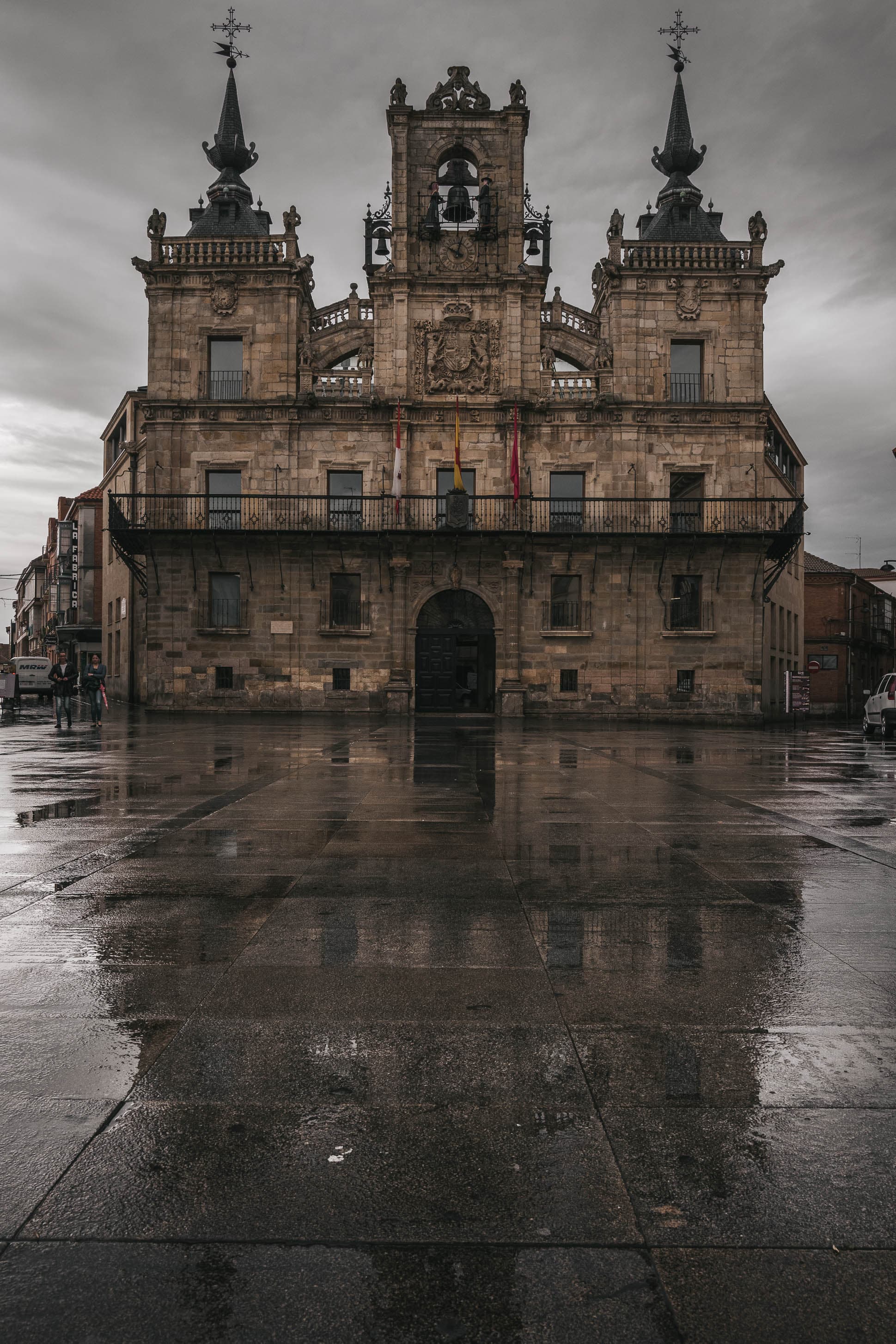
Stage: Astorga, gateway to the mountains
Astorga is where the Meseta ends and the mountains begin. It's also where you'll find one of my favorite donativo albergues on the entire route.
Casa de Jesús is small – just 18 beds – which means the community feeling is intense and genuine. The hospitaleros here practice radical hospitality: pilgrims are welcomed like family, dinner is shared together, and the evening blessing (if you choose to participate) is intimate and moving.
The building is modest, the beds are basic bunks, and the bathroom situation requires patience. But there's something about this place that strips away pretense. I've seen tough-looking pilgrims get misty-eyed at dinner here, moved by the simple act of being genuinely welcomed.
Go in knowing this is a deeply spiritual environment, though not exclusively Catholic. People of all faiths (and none) are welcomed with equal warmth. The hospitaleros ask only that you participate in the community – which means helping with dishes, conversation at dinner, and being respectful of the space.
Practical note: Astorga also has the Gaudí-designed Bishop's Palace, excellent chocolate (the city is famous for it), and the best cocido maragato – a regional stew served courses-reversed – you'll find anywhere. Budget for lunch out before your early night at Casa de Jesús.
Beds: 70 (monastery has more)
Stage: Alternative route to Sarria
Now, technically there are two options in Samos – the municipal albergue and the monastery itself. I'm recommending the municipal because the monastery accommodation, whilst atmospheric, can be overwhelming (200+ beds) and the monks' hospitality is... variable.
The municipal albergue is housed in a renovated building with modern facilities, and the price-to-quality ratio is excellent. But here's the real reason to stay in Samos: the monastery.
The Monasterio de San Julián de Samos is one of the oldest in Spain – monks have been chanting here since the 6th century. Even if you don't stay in the monastery albergue, you can attend vespers and experience something genuinely ancient.
The route through Samos is a detour from the standard Camino, adding about 5km to your day. But the descent into this valley, the massive monastery appearing between the hills, the absolute silence of the forest approach – it's worth every extra step.
Route planning: To reach Samos, take the alternative route from Triacastela. It's slightly longer but significantly more beautiful than the road-heavy standard route. Ask about specific route variations if you're unsure.
Start early, arrive early. Most municipal and parochial albergues open between 12 PM and 2 PM. If you want a bed at a popular spot during June-September, aim to arrive when doors open. This might mean starting your walk at 6 AM or earlier.
Have backup plans. Always know at least one alternative accommodation in each town. Apps like Gronze or Buen Camino are invaluable for this. A good portable phone charger keeps these apps running when you need them.
Consider shoulder season. May (before mid-month) and October are beautiful on the Francés, with far fewer pilgrims competing for beds. The weather's less predictable, but the reduced crowds make a huge difference.
Don't take it personally. Sometimes, despite your best efforts, beds fill up before you arrive. It's frustrating, especially when you're exhausted. But the Camino provides – there's always somewhere, even if it's not your first choice.
- Give what you can genuinely afford, not what you think you should give
- If you can afford €15-20, give it – your contribution helps the pilgrim behind you who might have nothing
- If you're truly broke, give what you can without guilt – these places exist precisely for pilgrims in need
- Consider giving more if you received something special: an extra meal, laundry facilities, emotional support
The donativo system only works because most people give honestly. Be one of those people.
---
The Camino Francés doesn't have to be expensive. Some of my richest experiences have cost me almost nothing – a shared meal in a church attic, a conversation with a hospitalero who remembered their own pilgrimage, a sunrise over the Meseta from the courtyard of a €7 municipal albergue.
These budget-friendly places aren't lesser options. They're often the truest Camino experience available.
If you're planning your first Francés or returning for another round, I hope this helps you find the right balance of budget and experience. And if you have questions about any of these albergues – or anything else about walking the Camino – just ask.
Buen Camino.
---
Try asking My Camino Guide:
- What should I budget per day for the Camino Francés?
- How do I book albergues on the Camino?
- What's the difference between municipal, parochial, and private albergues?
Budget accommodation on the Camino isn't about suffering through your pilgrimage. It's about experiencing something increasingly rare in our overpriced world: genuine hospitality, unexpected community, and the reminder that you don't need thread counts and turndown service to have a transformative experience.
So grab a café con leche and let me walk you through seven albergues that won't demolish your budget but will absolutely enrich your Camino.
Why Budget Albergues Matter (Beyond Just Saving Money)
Before I dive into my list, let me explain why I actively seek out donativo and municipal albergues – even now, when I could probably afford fancier digs.The cheapest albergues on the Camino Francés typically fall into three categories: municipal (run by local governments, usually €6-12), parochial (church-run, often donativo or €5-10), and donativo (give what you can/feel). These places attract a particular kind of pilgrim – one who's usually walking for the right reasons and happy to share their journey over a communal dinner.
I've had conversations in €7 municipal albergues that have fundamentally changed how I think about life. I've never had that happen in a €45 private room, no matter how nice the shower was.
That said, go in knowing these places come with trade-offs. You'll likely encounter squat toilets, limited privacy, and the occasional hospitalero who seems to have missed the "hospitality" memo. But the rewards far outweigh the inconveniences.
1. Albergue de Peregrinos de Roncesvalles – Roncesvalles
Cost: €14 (includes breakfast)Beds: 183
Stage: End of Stage 1 from Saint-Jean-Pied-de-Port
I'm starting with this one because – let's face it – most pilgrims on the Francés start here or pass through. And whilst 183 beds sounds absolutely terrifying (it did to me, my first time), this place has earned its reputation for good reason.
The collegiate church dates back to the 12th century, and the albergue maintains that sense of history whilst offering genuinely modern facilities. Hot showers, proper heating (crucial in the Pyrenees), and a pilgrim blessing each evening that – regardless of your religious beliefs – sets a beautiful tone for the journey ahead.
My suggestion is to arrive by 2 PM during peak season (May-September). Earlier if you can manage it after that brutal Pyrenean crossing. The beds fill up, and the overflow situation in Roncesvalles isn't ideal.
The included breakfast won't win any culinary awards, but after Day 1's climb, you'll inhale that bread and coffee like it's a Michelin-starred meal.
Pro tip: Bring good earplugs. 183 pilgrims breathing, snoring, and rustling plastic bags at 5:30 AM is... an experience.
2. Albergue Parroquial de Santiago – Pamplona
Cost: Donativo (suggested €8-12)Beds: 28
Stage: End of Stage 2 or 3
Pamplona has dozens of accommodation options, but this little parochial gem in the old town keeps calling me back. It's run by the parish of San Saturnino, and the hospitaleros here genuinely care about pilgrims as people, not just as bed-fillers.
The building is old – properly old – with stone walls that keep things cool in summer but require some serious blanket action in spring or autumn. Beds are basic bunk beds, nothing fancy. But the communal dinner (usually around €10, separate from accommodation) is where the magic happens. I've shared meals here with pilgrims from Korea, Brazil, Ireland, and a memorable 72-year-old grandmother from Texas who was walking her third Camino.
Go in knowing the bathroom-to-pilgrim ratio isn't generous. Morning queues happen. But the location – right in the historic center, near that cathedral where you'll receive your first stamp – makes up for it.
Reservation note: They don't take reservations. Show up, hope for a bed, and have a backup plan. This applies to most parochial and donativo albergues, by the way.
3. Albergue de Peregrinos de Grañón – Grañón
Cost: DonativoBeds: 40
Stage: Between Belorado and Santo Domingo de la Calzada
If you ask experienced Camino pilgrims about their most memorable albergue, Grañón comes up with suspicious frequency. There's a reason.
This parish-run albergue operates on pure trust and community. You show up, you're welcomed, you help prepare dinner together, you share a meal family-style in the church attic (yes, the actual church attic), and you leave what you can afford in the morning.
The sleeping arrangements are communal – mattresses on the floor in the upper part of the church. It's not for everyone. But the experience of making dinner with strangers who become friends, of singing and sharing stories over simple food and local wine, of waking up with the church bells directly above you – that's the Camino distilled to its essence.
I would highly suggest walking the slightly longer stage from Belorado to stay here, even if it means pushing through some fatigue. It's worth it.
Important: They close the doors after evening vespers (around 8 PM). Late arrivals don't get beds. Plan your day accordingly.
4. Albergue Municipal de Hontanas – Hontanas
Cost: €7Beds: 36
Stage: Meseta, between Castrojeriz and Boadilla
The Meseta breaks pilgrims. I'm not being dramatic – those endless wheat fields under the hammering sun have sent more people to buses than any mountain climb. So finding a comfortable, affordable refuge in the middle of this landscape feels like discovering an oasis.
Hontanas appears suddenly after you descend into a hidden valley, and the municipal albergue here is everything a budget-conscious pilgrim needs: clean beds, hot showers, a small kitchen for preparing meals, and a courtyard where you can actually sit and process the existential thoughts the Meseta has been forcing upon you.
The building itself was renovated a few years back, so facilities are modern despite the €7 price tag. There's something deeply satisfying about paying less than a fancy coffee costs at home for a night's accommodation.
My advice: bring food with you to Hontanas. The village has limited services, and the small bar/restaurant can be overwhelmed during peak season. A reliable water bottle with filter is also essential for the Meseta stages – fountain water quality varies.
5. Albergue de Peregrinos de Carrión de los Condes – Carrión de los Condes
Cost: €5Beds: 36
Stage: End of a long Meseta stage
Five euros. In 2024. For a bed, shower, and kitchen access. I genuinely don't know how they do it, and I'm grateful they keep doing it.
This municipal albergue won't wow you with atmosphere – it's functional, clean, and efficient. But after the Meseta stages (particularly if you've done the 17km slog from Calzadilla de la Cueza with zero shade), functional and clean is exactly what you need.
Carrión itself is a lovely town with several churches worth visiting and a surprisingly good selection of restaurants for a Meseta settlement. The monastery of San Zoilo – now a fancy hotel, but you can visit the cloister – is genuinely impressive.
Timing tip: The albergue opens at 12 PM. On my last Francés, I arrived at 11:30 and was twelfth in line. By 12:15, it was full. Get there early or plan your Camino with backup options.
6. Albergue Casa de Jesús – Astorga
Cost: DonativoBeds: 18
Stage: Astorga, gateway to the mountains
Astorga is where the Meseta ends and the mountains begin. It's also where you'll find one of my favorite donativo albergues on the entire route.
Casa de Jesús is small – just 18 beds – which means the community feeling is intense and genuine. The hospitaleros here practice radical hospitality: pilgrims are welcomed like family, dinner is shared together, and the evening blessing (if you choose to participate) is intimate and moving.
The building is modest, the beds are basic bunks, and the bathroom situation requires patience. But there's something about this place that strips away pretense. I've seen tough-looking pilgrims get misty-eyed at dinner here, moved by the simple act of being genuinely welcomed.
Go in knowing this is a deeply spiritual environment, though not exclusively Catholic. People of all faiths (and none) are welcomed with equal warmth. The hospitaleros ask only that you participate in the community – which means helping with dishes, conversation at dinner, and being respectful of the space.
Practical note: Astorga also has the Gaudí-designed Bishop's Palace, excellent chocolate (the city is famous for it), and the best cocido maragato – a regional stew served courses-reversed – you'll find anywhere. Budget for lunch out before your early night at Casa de Jesús.
7. Albergue de Peregrinos de Samos – Samos
Cost: €8Beds: 70 (monastery has more)
Stage: Alternative route to Sarria
Now, technically there are two options in Samos – the municipal albergue and the monastery itself. I'm recommending the municipal because the monastery accommodation, whilst atmospheric, can be overwhelming (200+ beds) and the monks' hospitality is... variable.
The municipal albergue is housed in a renovated building with modern facilities, and the price-to-quality ratio is excellent. But here's the real reason to stay in Samos: the monastery.
The Monasterio de San Julián de Samos is one of the oldest in Spain – monks have been chanting here since the 6th century. Even if you don't stay in the monastery albergue, you can attend vespers and experience something genuinely ancient.
The route through Samos is a detour from the standard Camino, adding about 5km to your day. But the descent into this valley, the massive monastery appearing between the hills, the absolute silence of the forest approach – it's worth every extra step.
Route planning: To reach Samos, take the alternative route from Triacastela. It's slightly longer but significantly more beautiful than the road-heavy standard route. Ask about specific route variations if you're unsure.
How to Actually Secure a Bed During Peak Season
All these budget gems share a common challenge: they're popular, they're small (relatively), and they fill up fast. Here's what I've learned about increasing your chances:Start early, arrive early. Most municipal and parochial albergues open between 12 PM and 2 PM. If you want a bed at a popular spot during June-September, aim to arrive when doors open. This might mean starting your walk at 6 AM or earlier.
Have backup plans. Always know at least one alternative accommodation in each town. Apps like Gronze or Buen Camino are invaluable for this. A good portable phone charger keeps these apps running when you need them.
Consider shoulder season. May (before mid-month) and October are beautiful on the Francés, with far fewer pilgrims competing for beds. The weather's less predictable, but the reduced crowds make a huge difference.
Don't take it personally. Sometimes, despite your best efforts, beds fill up before you arrive. It's frustrating, especially when you're exhausted. But the Camino provides – there's always somewhere, even if it's not your first choice.
A Final Word on Donativo Etiquette
Since several of these albergues operate on the donativo system, let me share what I've learned about giving appropriately:- Give what you can genuinely afford, not what you think you should give
- If you can afford €15-20, give it – your contribution helps the pilgrim behind you who might have nothing
- If you're truly broke, give what you can without guilt – these places exist precisely for pilgrims in need
- Consider giving more if you received something special: an extra meal, laundry facilities, emotional support
The donativo system only works because most people give honestly. Be one of those people.
---
The Camino Francés doesn't have to be expensive. Some of my richest experiences have cost me almost nothing – a shared meal in a church attic, a conversation with a hospitalero who remembered their own pilgrimage, a sunrise over the Meseta from the courtyard of a €7 municipal albergue.
These budget-friendly places aren't lesser options. They're often the truest Camino experience available.
If you're planning your first Francés or returning for another round, I hope this helps you find the right balance of budget and experience. And if you have questions about any of these albergues – or anything else about walking the Camino – just ask.
Buen Camino.
---
Try asking My Camino Guide:
- What should I budget per day for the Camino Francés?
- How do I book albergues on the Camino?
- What's the difference between municipal, parochial, and private albergues?