How to make the most of rest days in major Camino stops like Saint-Jean-Pied-de-Port, León, and Sarria, including cultural sites, local food experiences, and re
There's a particular kind of guilt that creeps in when you're sitting at a café on your rest day, watching other pilgrims trudge past with their backpacks, headed toward the next stage whilst you're on your second cortado. I've felt it many times across my six Camino Francés journeys, and I'm here to tell you: let it go. Rest days aren't a sign of weakness—they're strategy.
After walking thousands of kilometers across Spain, Portugal, and France, I've learned that how you spend your rest days can make or break your Camino. A well-planned pause in a gateway city doesn't just save your feet; it enriches your entire pilgrimage experience. These cities exist as gateways for a reason—they've been welcoming tired travelers for over a thousand years.
Your body needs time to repair micro-tears in muscle tissue, reduce inflammation, and let those blisters actually heal rather than just temporarily harden. But beyond the physical, rest days offer something equally valuable—cultural immersion. You'll never really understand the regions you're walking through if you're always just passing through.
The gateway cities I'm focusing on here—Saint-Jean-Pied-de-Port, León, and Sarria—each offer distinct experiences. They mark natural transition points in your journey and provide the infrastructure (think: actual pharmacies, gear shops, laundromats that work) that smaller villages simply can't.
Explore the Rue de la Citadelle: This steep cobblestone street lined with red and white Basque buildings isn't just photogenic; it's where you'll find the Pilgrim Office to get your credential stamped and receive the famous weather briefing. But beyond the practical, take time to duck into the small shops. There's a wonderful sandal-maker about halfway up who creates traditional espadrilles—not for walking the Camino, obviously, but a perfect gift to send home.
Visit the Prison des Évêques: This medieval building (literally "Prison of the Bishops") now houses a small exhibition on the Camino's history. It's quirky and slightly odd, which is exactly my kind of museum. Budget about 45 minutes.
For breakfast, seek out a bakery serving gâteau basque, a traditional almond cream-filled pastry that's been sustaining pilgrims for generations. I usually grab an extra one wrapped in paper for the first rest stop on the Napoleon Route.
And here's a tip I wish someone had given me: the local red wine (Irouléguy) is exceptional but potent. The evening before your first day is not the time to discover this. Trust me on this one.
There's also a sports shop near the main bridge where you can grab last-minute items like trekking poles if you've decided (wisely) that you'll want them for the Pyrenees crossing. The staff have seen thousands of pilgrims and can offer solid advice about gear.
I've spent rest days in León on every one of my six Francés walks, and each time I've discovered something new. The city rewards those who linger.
The Basílica de San Isidoro: Often called the "Sistine Chapel of Romanesque Art," the Royal Pantheon here contains 12th-century frescoes that somehow survived while countless others were whitewashed or destroyed. You'll need to join a guided tour to see the pantheon, but it's worth the modest fee. The agricultural calendar painted on the ceiling has been helping farmers—and pilgrims—understand the seasons for 900 years.
MUSAC (Contemporary Art Museum): This might seem like an odd recommendation for a medieval pilgrimage, but hear me out. After weeks of Romanesque churches, MUSAC's colorful modern facade and provocative exhibitions offer a genuine palate cleanser. It's free on Sundays, and the building itself—designed to echo the cathedral's stained glass—is worth seeing even if contemporary art isn't your thing.
Barrio Húmedo Evening Walk: The "Wet Quarter" earned its name honestly. This tangle of narrow streets near the Plaza Mayor fills every evening with locals and pilgrims doing the tapeo—hopping from bar to bar, enjoying small plates and local wines. The tradition here is that you get a free tapa with every drink. My favorite spots cluster around Calle Ancha and Plaza San Martín.
For something more substantial, seek out botillo del Bierzo, a kind of smoked sausage stuffed with ribs and served with boiled potatoes. It's rich, intensely flavorful, and exactly what tired legs need. Just maybe don't plan a long walking day afterward.
The Mercado del Conde Luna near the cathedral is perfect for picking up local cheeses, dried fruits, and cured meats to supplement your snack supplies for the stages ahead.
There's also a decently stocked Decathlon on the outskirts of town if your gear has failed you. Worn through your trail runners already? Need new socks because yours have disintegrated? This is your best opportunity to resupply before Galicia.
I'd also suggest using León as an opportunity to mail unnecessary gear home or forward to Santiago. The post office near the Parador handles pilgrim packages regularly, and you can ship that extra fleece or those "just in case" items that have been dead weight since Pamplona. Your back will thank you.
If you want to plan your timing for León or figure out where else to build in rest days, you can always plan your Camino with specific questions about pacing.
But here's my take after six trips: Sarria itself is a charming town that deserves more credit than it gets. And regardless of whether you started in Saint-Jean or Sarria itself, a rest day here can be incredibly restorative before the final stages.
Walk the Old Town: Sarria's old quarter climbs steeply uphill from the river, and wandering its narrow streets—particularly the Rúa Maior—gives you a taste of traditional Galician architecture. Look for the distinctive hórreos (raised granaries) tucked between houses. These rectangular stone structures on stilts have been storing corn and protecting it from mice since medieval times.
Ponte Ribeira Walk: Following the medieval bridge across the Sarria River and walking the riverside path is a gentle way to move your body without adding more hill climbing. The area around the bridge has been welcoming pilgrims since the 12th century, and on quieter mornings, you can almost imagine what it looked like then.
Day Trip to Samos Monastery: If you have time and your legs permit, the Monastery of San Julián de Samos (about 12 kilometers off the main route, accessible by taxi) is worth considering. It's one of the oldest monasteries in the Western world, founded in the 6th century, and offers both guided tours and the opportunity to attend vespers. I've done this twice, and both times it added a contemplative depth to my final walking days.
Caldo gallego, the region's signature soup, is perfect for rest days. It's a hearty mix of white beans, potatoes, and greens (usually turnip tops or cabbage), sometimes with chorizo or pork. It tastes like what grandmother would make if your grandmother happened to be a 16th-century Galician farmwife.
For breakfast, try filloas—thin Galician crepes that are lighter than French crêpes and often filled with cream or honey. They're a pleasant change from the tortilla española you've probably been eating since Navarra.
And please, do yourself a favor and try the local queixo tetilla, a creamy cow's milk cheese shaped like—well, its name means "little breast" in Galician, and that's exactly what it looks like. It's mild, slightly tangy, and goes perfectly with membrillo (quince paste).
More importantly, Sarria is your last opportunity to assess your gear situation realistically. You've got 100+ kilometers to Santiago, potentially another 90+ if you're continuing to Finisterre (which I've done five times—it's absolutely worth it), and everything needs to be in working order.
If your hiking socks have compressed beyond usefulness or your trekking poles have developed an alarming wobble, fix those problems now. There are gear shops around the train station area, though selection is limited compared to León.
For blister management, I've found that medical grade hydrocolloid bandages work better than most pilgrim folklore remedies. Apply them to clean, dry skin and leave them in place—they'll fall off naturally when healing is complete.
- I have a blister that's actively worsening
- I've walked four or more consecutive days over 25km
- I'm in a city with significant cultural offerings
- The weather forecast shows a bad day coming (rest during the storm, walk after)
- I'm not enjoying the walking anymore
That last one matters more than people admit. If you've lost the joy, a rest day can reset your entire attitude. The Camino isn't a forced march—you're allowed to enjoy it.
Saint-Jean-Pied-de-Port, León, and Sarria each offer distinct gifts. Saint-Jean is anticipation and preparation, the deep breath before the plunge. León is culture and history, a reminder that you're walking through living civilization, not a museum. Sarria is recalibration, a final opportunity to approach Santiago with intention rather than exhaustion.
Build these pauses into your journey, and I promise you'll arrive in Santiago feeling something more than relief. You'll arrive having actually experienced the Camino, not just survived it.
And if you're struggling to figure out when and where to schedule your own rest days, feel free to plan your Camino with specific questions about your timeline and priorities. There's no single right answer—just the answer that works for your pilgrimage.
Buen Camino, and remember: sitting in a café whilst others walk past isn't laziness. It's wisdom.
---
Try asking My Camino Guide:
- What's the best way to handle blisters during rest days?
- Should I take a rest day before or after the Meseta?
- What cultural sites should I not miss in Burgos?
After walking thousands of kilometers across Spain, Portugal, and France, I've learned that how you spend your rest days can make or break your Camino. A well-planned pause in a gateway city doesn't just save your feet; it enriches your entire pilgrimage experience. These cities exist as gateways for a reason—they've been welcoming tired travelers for over a thousand years.
Why Rest Days Actually Matter
Let me be blunt: I ignored rest days during my first Camino and paid for it dearly. By the time I reached the Meseta, my shin splints had evolved into something that made me walk like a drunk flamingo. My second time out, I built in strategic rest days at major cities, and the difference was night and day.Your body needs time to repair micro-tears in muscle tissue, reduce inflammation, and let those blisters actually heal rather than just temporarily harden. But beyond the physical, rest days offer something equally valuable—cultural immersion. You'll never really understand the regions you're walking through if you're always just passing through.
The gateway cities I'm focusing on here—Saint-Jean-Pied-de-Port, León, and Sarria—each offer distinct experiences. They mark natural transition points in your journey and provide the infrastructure (think: actual pharmacies, gear shops, laundromats that work) that smaller villages simply can't.
Saint-Jean-Pied-de-Port: The Calm Before the Pyrenees
Most pilgrims treat Saint-Jean as a quick overnight before tackling the brutal climb to Roncesvalles. I'd argue that's a mistake. After my fourth Francés, I started arriving a day early specifically to explore this gorgeous Basque town, and it transformed how I approached the first—and arguably hardest—stage.Cultural Immersion Activities
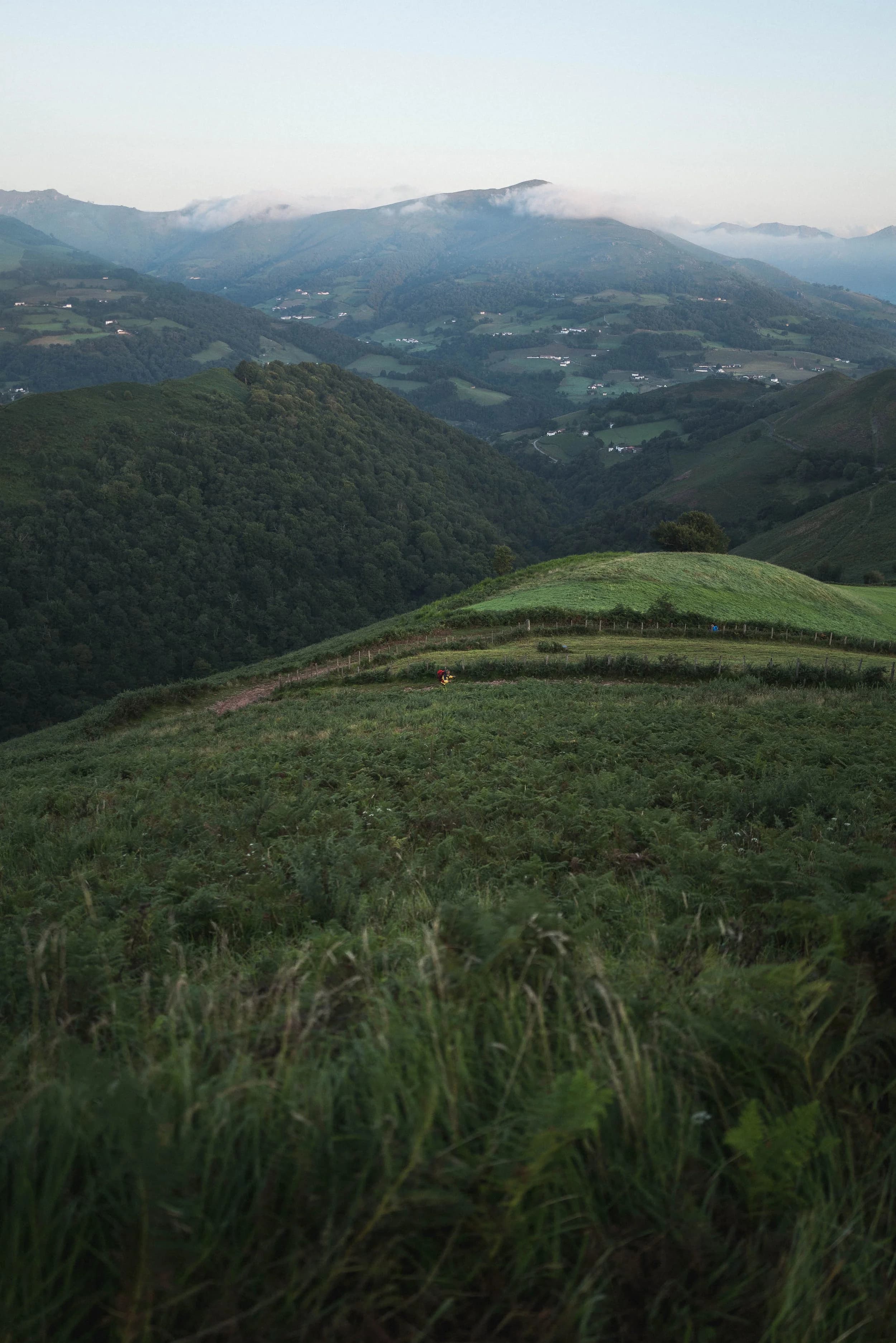
Walk the Citadel Walls: The 17th-century fortifications offer stunning views of the surrounding Pyrenean foothills and the valley you'll be leaving behind. The climb is gentle (nothing compared to what's coming), and in the early morning light, you can almost feel the centuries of pilgrims who've passed through these same gates. I like doing this walk the evening before departure—it puts you in the right headspace.Explore the Rue de la Citadelle: This steep cobblestone street lined with red and white Basque buildings isn't just photogenic; it's where you'll find the Pilgrim Office to get your credential stamped and receive the famous weather briefing. But beyond the practical, take time to duck into the small shops. There's a wonderful sandal-maker about halfway up who creates traditional espadrilles—not for walking the Camino, obviously, but a perfect gift to send home.
Visit the Prison des Évêques: This medieval building (literally "Prison of the Bishops") now houses a small exhibition on the Camino's history. It's quirky and slightly odd, which is exactly my kind of museum. Budget about 45 minutes.
Food Experiences
The Basque country is a culinary powerhouse, and Saint-Jean sits right at its heart. My suggestion is to find a restaurant serving poulet basquaise—chicken braised with tomatoes, peppers, and jambon de Bayonne. It's hearty enough to fuel your legs whilst being light enough not to weigh you down.For breakfast, seek out a bakery serving gâteau basque, a traditional almond cream-filled pastry that's been sustaining pilgrims for generations. I usually grab an extra one wrapped in paper for the first rest stop on the Napoleon Route.
And here's a tip I wish someone had given me: the local red wine (Irouléguy) is exceptional but potent. The evening before your first day is not the time to discover this. Trust me on this one.
Recovery Priorities
Saint-Jean has several pharmacies stocked with supplies you might have forgotten. If you haven't already invested in proper blister prevention, now's your last chance before the big test. I swear by Compeed blister cushions—the large ones—applied preventatively to hot spots before they become actual blisters.There's also a sports shop near the main bridge where you can grab last-minute items like trekking poles if you've decided (wisely) that you'll want them for the Pyrenees crossing. The staff have seen thousands of pilgrims and can offer solid advice about gear.
León: The Meseta Reward
By the time you reach León, you've earned it. You've survived the psychological challenge of the Meseta (or you're about to face it, depending on your direction of travel). Either way, León offers the most substantial city experience on the Camino Francés, and I'd strongly suggest taking at least one full rest day here.I've spent rest days in León on every one of my six Francés walks, and each time I've discovered something new. The city rewards those who linger.
Cultural Immersion Activities
León Cathedral (Santa María de León): Go in knowing this isn't just another Spanish cathedral—it's the cathedral for stained glass outside of Chartres. The windows cover over 1,800 square meters, and when the afternoon sun hits them, the interior transforms into something that makes even this cynical pilgrim catch his breath. I recommend visiting twice: once in the morning for the architecture and again around 4-5 PM for the light show.The Basílica de San Isidoro: Often called the "Sistine Chapel of Romanesque Art," the Royal Pantheon here contains 12th-century frescoes that somehow survived while countless others were whitewashed or destroyed. You'll need to join a guided tour to see the pantheon, but it's worth the modest fee. The agricultural calendar painted on the ceiling has been helping farmers—and pilgrims—understand the seasons for 900 years.
MUSAC (Contemporary Art Museum): This might seem like an odd recommendation for a medieval pilgrimage, but hear me out. After weeks of Romanesque churches, MUSAC's colorful modern facade and provocative exhibitions offer a genuine palate cleanser. It's free on Sundays, and the building itself—designed to echo the cathedral's stained glass—is worth seeing even if contemporary art isn't your thing.
Barrio Húmedo Evening Walk: The "Wet Quarter" earned its name honestly. This tangle of narrow streets near the Plaza Mayor fills every evening with locals and pilgrims doing the tapeo—hopping from bar to bar, enjoying small plates and local wines. The tradition here is that you get a free tapa with every drink. My favorite spots cluster around Calle Ancha and Plaza San Martín.
Food Experiences
León sits in the heart of Castilian cuisine country. Cecina de León is the star here—a cured beef that's been produced locally since Roman times. It's typically served in paper-thin slices drizzed with olive oil, and it pairs beautifully with a glass of local Bierzo red.For something more substantial, seek out botillo del Bierzo, a kind of smoked sausage stuffed with ribs and served with boiled potatoes. It's rich, intensely flavorful, and exactly what tired legs need. Just maybe don't plan a long walking day afterward.
The Mercado del Conde Luna near the cathedral is perfect for picking up local cheeses, dried fruits, and cured meats to supplement your snack supplies for the stages ahead.
Recovery Priorities
León has proper sports medicine clinics if you're dealing with anything beyond standard pilgrim ailments. I've seen too many people push through injuries here that became serious problems by Santiago.There's also a decently stocked Decathlon on the outskirts of town if your gear has failed you. Worn through your trail runners already? Need new socks because yours have disintegrated? This is your best opportunity to resupply before Galicia.
I'd also suggest using León as an opportunity to mail unnecessary gear home or forward to Santiago. The post office near the Parador handles pilgrim packages regularly, and you can ship that extra fleece or those "just in case" items that have been dead weight since Pamplona. Your back will thank you.
If you want to plan your timing for León or figure out where else to build in rest days, you can always plan your Camino with specific questions about pacing.
Sarria: Gateway to the Final Push
Sarria has a complicated reputation among pilgrims. As the minimum starting point for earning the Compostela (100 kilometers by foot), it's where the Camino's character changes dramatically. Trail populations can triple overnight, and some long-distance walkers get a bit grumpy about it.But here's my take after six trips: Sarria itself is a charming town that deserves more credit than it gets. And regardless of whether you started in Saint-Jean or Sarria itself, a rest day here can be incredibly restorative before the final stages.
Cultural Immersion Activities
Monastery of La Magdalena: This 13th-century Augustinian monastery sits just above the town center and offers a lovely, peaceful space away from the Camino bustle. The Gothic church attached to it contains some interesting medieval carvings worth examining. It's not León Cathedral, but it has an intimacy those grander spaces lack.Walk the Old Town: Sarria's old quarter climbs steeply uphill from the river, and wandering its narrow streets—particularly the Rúa Maior—gives you a taste of traditional Galician architecture. Look for the distinctive hórreos (raised granaries) tucked between houses. These rectangular stone structures on stilts have been storing corn and protecting it from mice since medieval times.
Ponte Ribeira Walk: Following the medieval bridge across the Sarria River and walking the riverside path is a gentle way to move your body without adding more hill climbing. The area around the bridge has been welcoming pilgrims since the 12th century, and on quieter mornings, you can almost imagine what it looked like then.
Day Trip to Samos Monastery: If you have time and your legs permit, the Monastery of San Julián de Samos (about 12 kilometers off the main route, accessible by taxi) is worth considering. It's one of the oldest monasteries in the Western world, founded in the 6th century, and offers both guided tours and the opportunity to attend vespers. I've done this twice, and both times it added a contemplative depth to my final walking days.
Food Experiences
Welcome to Galicia, land of pulpo (octopus), empanadas, and ribeiro wine. Sarria has several excellent pulperías where you can watch cooks prepare octopus in the traditional manner—boiled in copper pots, then sliced and served on wooden plates with olive oil, paprika, and coarse salt.Caldo gallego, the region's signature soup, is perfect for rest days. It's a hearty mix of white beans, potatoes, and greens (usually turnip tops or cabbage), sometimes with chorizo or pork. It tastes like what grandmother would make if your grandmother happened to be a 16th-century Galician farmwife.
For breakfast, try filloas—thin Galician crepes that are lighter than French crêpes and often filled with cream or honey. They're a pleasant change from the tortilla española you've probably been eating since Navarra.
And please, do yourself a favor and try the local queixo tetilla, a creamy cow's milk cheese shaped like—well, its name means "little breast" in Galician, and that's exactly what it looks like. It's mild, slightly tangy, and goes perfectly with membrillo (quince paste).
Recovery Priorities
Sarria has several pharmacies clustered around the main commercial area, and you'll find at least one that stocks Voltaren gel and the various blister treatments you might need for the final push.More importantly, Sarria is your last opportunity to assess your gear situation realistically. You've got 100+ kilometers to Santiago, potentially another 90+ if you're continuing to Finisterre (which I've done five times—it's absolutely worth it), and everything needs to be in working order.
If your hiking socks have compressed beyond usefulness or your trekking poles have developed an alarming wobble, fix those problems now. There are gear shops around the train station area, though selection is limited compared to León.
Universal Rest Day Tips Across All Cities
The 80% Rule
On rest days, I follow what I call the 80% rule: stay off your feet 80% of the day. That sounds extreme, but remember—you're walking 20-30 kilometers daily. Your rest day activities should be gentle exploration, not death marches through every museum in town.Laundry and Logistics
Every rest day should include practical tasks. Getting your laundry professionally cleaned (rather than hand-washing in a sink) is a small luxury that makes the following stages so much better. Most gateway cities have laundrettes or services that can return clean clothes within hours.Foot Care Rituals
I spend at least an hour on foot care during rest days. This means: properly drying and airing out your feet, treating any blisters with proper medical attention rather than quick fixes, and—this is key—letting your feet breathe in sandals rather than immediately putting them back in boots.For blister management, I've found that medical grade hydrocolloid bandages work better than most pilgrim folklore remedies. Apply them to clean, dry skin and leave them in place—they'll fall off naturally when healing is complete.
Stretch and Foam Roll
If you're carrying a small foam roller or even a tennis ball, rest days are when you'll actually have time to use them properly. Twenty minutes of IT band rolling and calf work can prevent problems that otherwise surface in week three.Connect With Home (But Not Too Much)
Rest days in major cities mean reliable WiFi. Use it to check in with family, handle any urgent emails, but set a time limit. I've watched pilgrims spend entire rest days staring at their phones, and that's not rest—that's just displacement.Plan the Next Section
Take some time to look at the stages ahead. Ask about elevation profiles or accommodation options. Knowing what's coming helps you mentally prepare and can inform decisions about how ambitious to be with daily distances.When to Take Rest Days (And When to Push Through)
Here's my general framework: I take rest days when three or more of these conditions apply:- I have a blister that's actively worsening
- I've walked four or more consecutive days over 25km
- I'm in a city with significant cultural offerings
- The weather forecast shows a bad day coming (rest during the storm, walk after)
- I'm not enjoying the walking anymore
That last one matters more than people admit. If you've lost the joy, a rest day can reset your entire attitude. The Camino isn't a forced march—you're allowed to enjoy it.
Final Thoughts
Rest days on the Camino aren't about stopping; they're about switching gears. The pilgrims of the Middle Ages didn't power through—they stayed in monastery guesthouses, attended services, healed, and absorbed where they were. We can learn from that.Saint-Jean-Pied-de-Port, León, and Sarria each offer distinct gifts. Saint-Jean is anticipation and preparation, the deep breath before the plunge. León is culture and history, a reminder that you're walking through living civilization, not a museum. Sarria is recalibration, a final opportunity to approach Santiago with intention rather than exhaustion.
Build these pauses into your journey, and I promise you'll arrive in Santiago feeling something more than relief. You'll arrive having actually experienced the Camino, not just survived it.
And if you're struggling to figure out when and where to schedule your own rest days, feel free to plan your Camino with specific questions about your timeline and priorities. There's no single right answer—just the answer that works for your pilgrimage.
Buen Camino, and remember: sitting in a café whilst others walk past isn't laziness. It's wisdom.
---
Try asking My Camino Guide:
- What's the best way to handle blisters during rest days?
- Should I take a rest day before or after the Meseta?
- What cultural sites should I not miss in Burgos?